
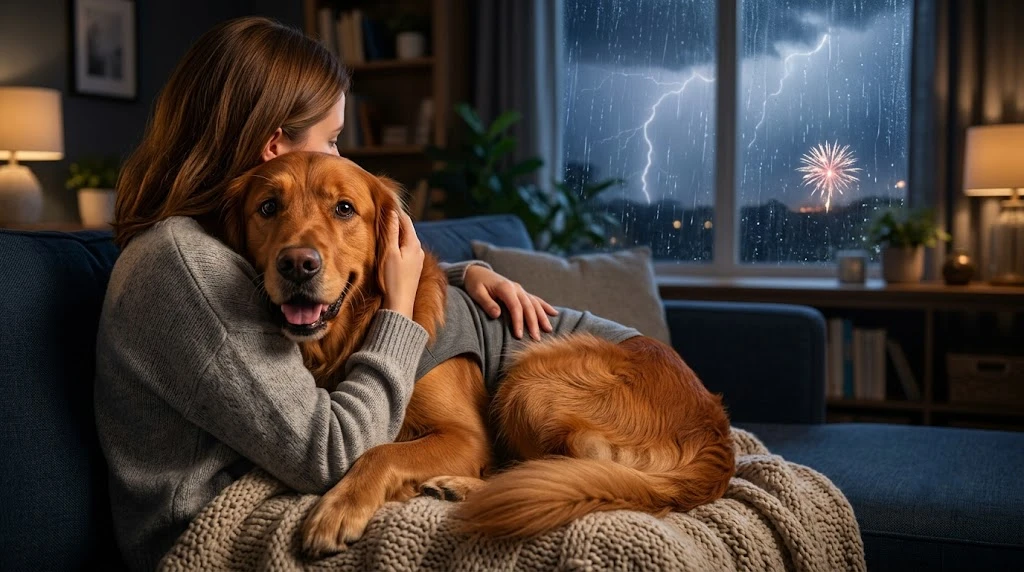
A sudden boom rattles the windows. Within seconds, your normally confident dog is trembling, panting, or desperately trying to hide under the bathtub. Watching a pet suffer through a panic attack is heartbreaking.
Severe fear leads to destructive behavior. Some dogs even make dangerous escape attempts during these loud events. But you do not have to watch them suffer helplessly. You will discover exactly how to calm an anxious dog before the panic peaks.
We will cover how to build a sensory deprivation safe zone. You will also learn effective behavioral distractions and the newest 2026 FDA approved veterinary treatments.
How to Recognize the Signs of Dog Noise Anxiety
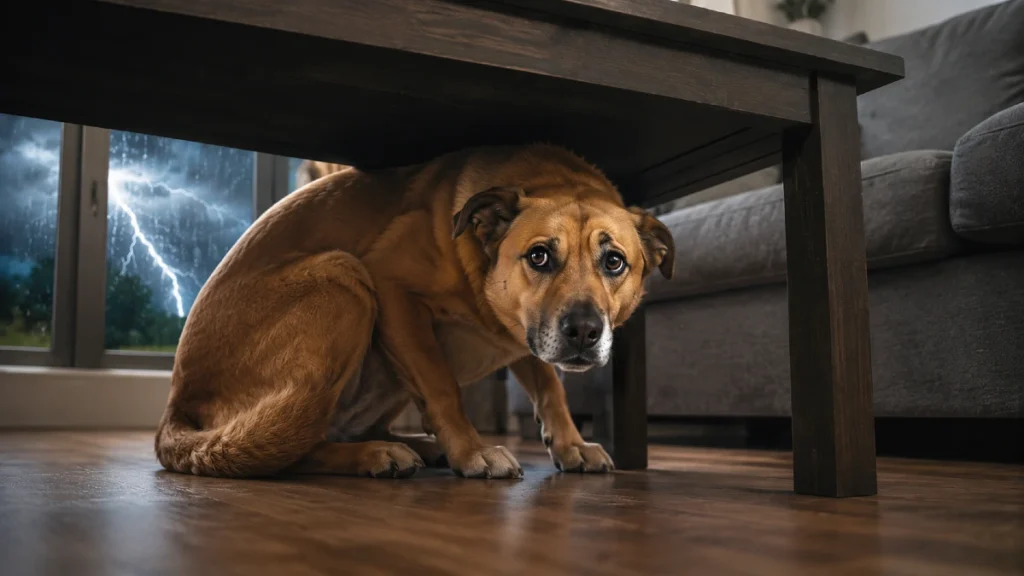
Is your dog just startled, or are they experiencing a full blown phobia? Many owners miss the early warning signs of dog noise anxiety. A normal startle response ends quickly. A phobia escalates into blind panic.
You might see common physical symptoms first. These include heavy drooling, endless pacing, and lip licking. Some dogs begin digging frantically at doors. Others pace the room and vocalize for hours.
Dogs hear much higher frequencies than we do. They also hear sounds from much farther distances. Sudden noises trigger a deep fight or flight response in their brains. Dr. Jerry Klein, Chief Veterinary Officer at the American Kennel Club, explains this well. He notes that phobias are an intense and persistent fear that goes beyond a rational response.
A recent PMC published veterinary survey revealed a staggering fact. Over 52% of dogs are at least partially affected by firework fears. This is a massive issue for pet parents. A dog trying to dig through drywall is incredibly dangerous. Physical confinement without treatment often leads to severe injury.
Punishing these behaviors will only worsen their symptoms. Your dog needs a secure environment instead. This brings us to the first step of treatment.
3 Steps to Create a Sound Dampened Safe Zone
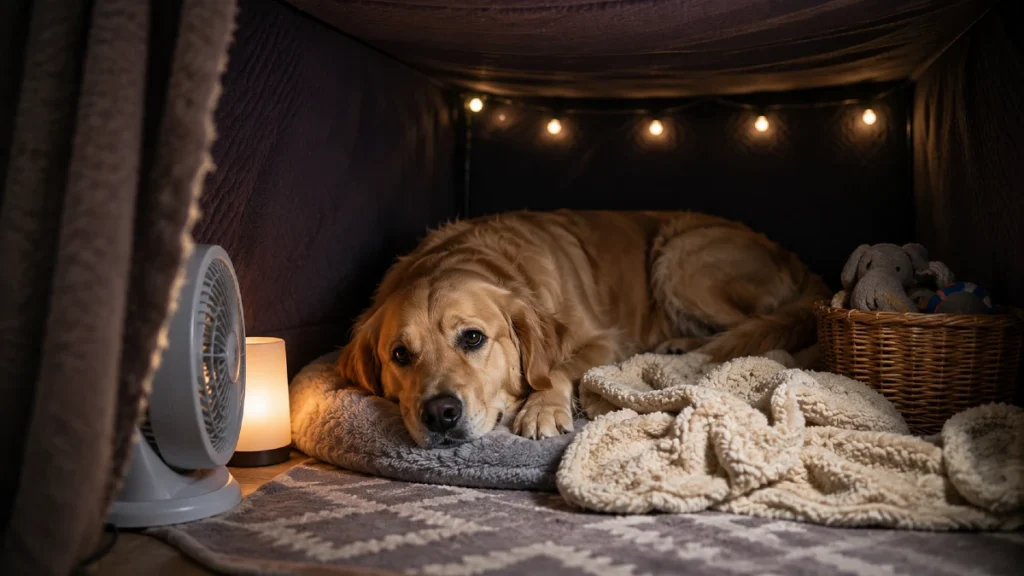
Picture a perfect sensory deprivation bunker for your dog. It is dark, quiet, and smells exactly like you. This works because it removes the sensory overload found in most homes. Large living rooms with massive vibrating glass windows only make a dog scared of fireworks feel worse.
Location matters most. Choose an interior room with few or no windows. A walk in closet or a small bathroom works best. This minimizes flashes of light and muffles loud booms.
Next, add sensory layers. Close the blackout curtains immediately. Then, layer ambient sounds. You need to run a box fan and play classical music at the same time. Veterinary behaviorists prove that layering two types of audio masks explosive sounds better than just turning on the TV.
Finally, add comfort items. Bring in their favorite unwashed blanket. Toss in a t shirt you wore all day so they can smell you.
- Use an interior room
- Layer white noise and music
- Add familiar scents
Never lock a fearful dog in a crate if they are not already happily crate trained. This induces claustrophobic panic. A safe zone keeps them secure, but they need active behavioral help to change their mindset.
The Best Behavioral Techniques and Distractions
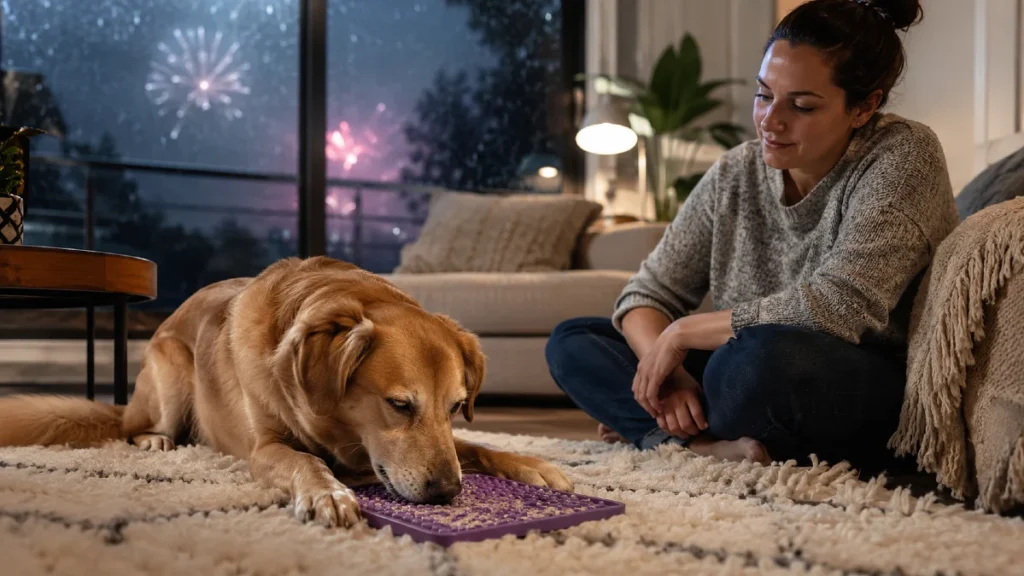
Counter conditioning changes a bad feeling into a good one. It is a powerful way to manage thunder phobia in dogs. Your reaction directly impacts their reaction. Dogs mirror human emotions. If you are frantic, their anxiety amplifies.
Speak calmly and move slowly. Avoid overly coddling them in a high pitched, panicked voice. This validates their fear. Instead, project quiet confidence.
Start your preparation early in the day. Schedule a long, rigorous exercise session hours before the fireworks or storm begins. A tired dog has less energy to fuel a panic attack.
Use active distraction right as the anxiety begins. Engage them in high value activities to change their emotional response. Give them a frozen LickiMat or a stuffed Kong. Licking releases endorphins in a dog’s brain. This naturally lowers their heart rate.
Here is the truth. Knowing how to calm an anxious dog with behavioral shifts is great. But these steps are not always enough for severe cases. Here is how to intercept their fear before it boils over using other tools.
The Day Of The Event: A Step By Step Timeline
| Timeframe | Action to Take | Why It Helps |
| Morning | Go for a long walk and play heavily | Drains physical energy so they have less fuel for panic |
| 2 Hours Before | Give prescription medications (if using) | Allows the medicine to fully kick in before the noise starts |
| 1 Hour Before | Close blinds, turn on fan, prep safe zone | Blocks out early flashes of light and distant warning rumbles |
| During Event | Give frozen LickiMats and act completely normal | Keeps their brain distracted while lowering their heart rate naturally |
Top Over the Counter Calming Aids and Wearables
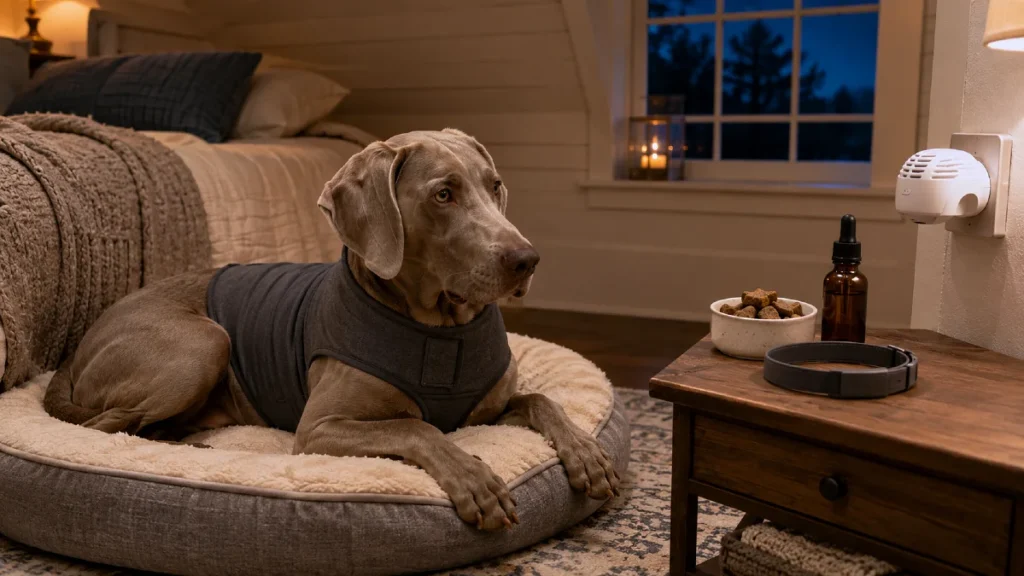
Many owners prefer to start with nonprescription routes. This makes sense for mild cases of dog noise anxiety. There are three main categories of calming aids to consider.
First, try physical wearables. Gentle, constant pressure therapies work wonders. Put a Thundershirt on your dog before the storm hits. This mimics swaddling a baby and physically reduces their heart rate.
Second, use environmental aids. Dog Appeasing Pheromones are very effective. Plug in an Adaptil diffuser in their safe zone. You can also use a pheromone collar for constant support.
Third, consider ingestible natural supplements. Products containing theanine, melatonin, or veterinary grade CBD are very popular.
According to 2026 market research by Coherent Market Insights, supplements and calming aids now hold 36.8% of the global pet noise anxiety market. Pet parents find immense value in these holistic tools.
These tools are fantastic. But if over the counter methods fail during a major storm, it is time to look at veterinary medicine.
2026 Veterinary Breakthroughs for Severe Phobias
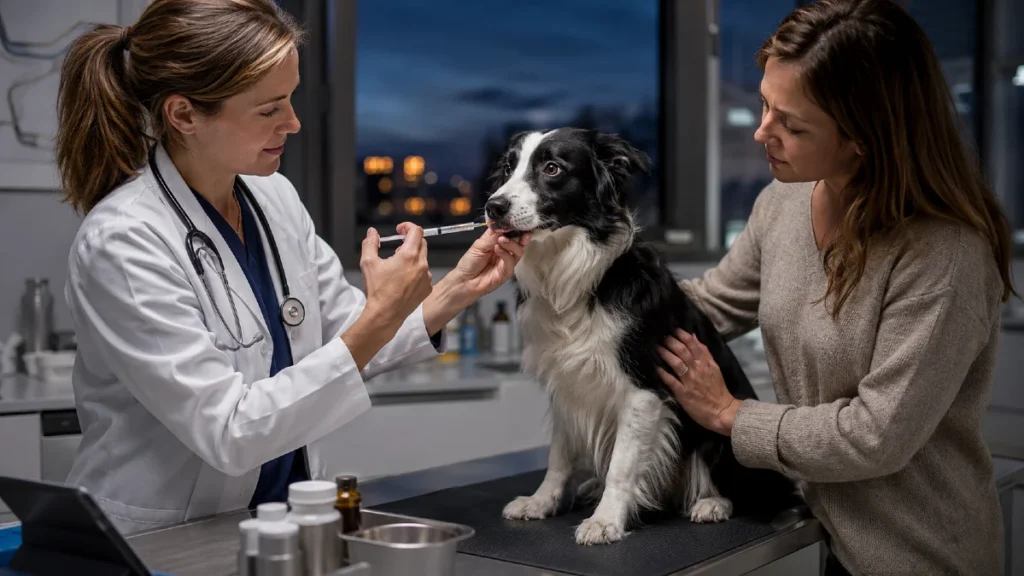
It is time to drop the stigma around medicating pets for anxiety. If your dog refuses food for over 24 hours or tries to break out of enclosures, you must escalate to a vet. Self injury means the fear is out of control.
Everyday anxiety medication is different from situational phobia medication. The American Animal Hospital Association guidelines emphasize a clear point. Medication should be used as part of an integrated treatment program. It is never a standalone cure.
Older standard options include Trazodone or Gabapentin. Vets still prescribe these heavily. But newer options offer faster relief for a dog scared of fireworks.
The May 2026 FDA approval of Tessie (tasipimidine oral solution) changed the game. It is the first drug labeled to treat both noise aversion and separation anxiety. The active ingredient targets brain receptors specifically. It blocks the fight or flight response without heavily sedating the dog into a stupor.
You can contrast this with Sileo (dexmedetomidine). This is an oral gel designed specifically to stop acute noise phobias fast. It works incredibly well for thunder phobia in dogs.
Pet parents must test these medications on a calm, sunny day first. This ensures the dog tolerates them well before a stressful event occurs.
Common Mistakes That Make Anxiety Worse
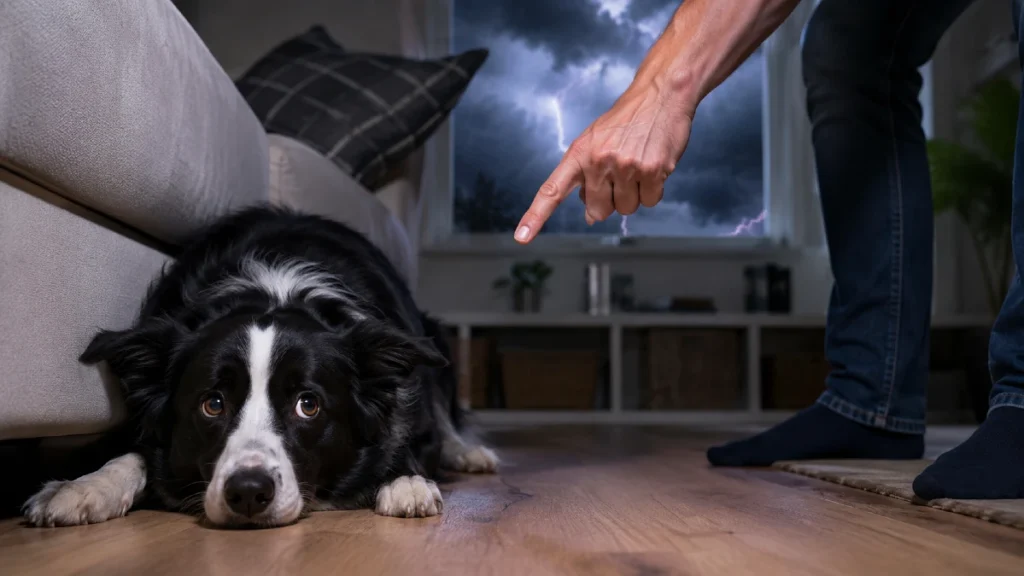
Even well meaning owners make mistakes during a storm. Knowing how to calm an anxious dog means knowing what to avoid.
Do not force your dog to face their fears. Dragging them outside to show them the fireworks will traumatize them further. Let them hide if they want to hide.
Do not leave them outdoors alone. A terrified dog will scale a fence they normally ignore. Bring them inside immediately at the first sign of thunder.
Avoid these traps to keep your dog safe and comfortable.
Conclusion
Successfully managing noise phobias requires a multi tiered approach. You must adjust the environment, modify behavior, and utilize modern medical aids when necessary.
There is no single magic cure. But combining these steps builds a powerful defense against panic.