
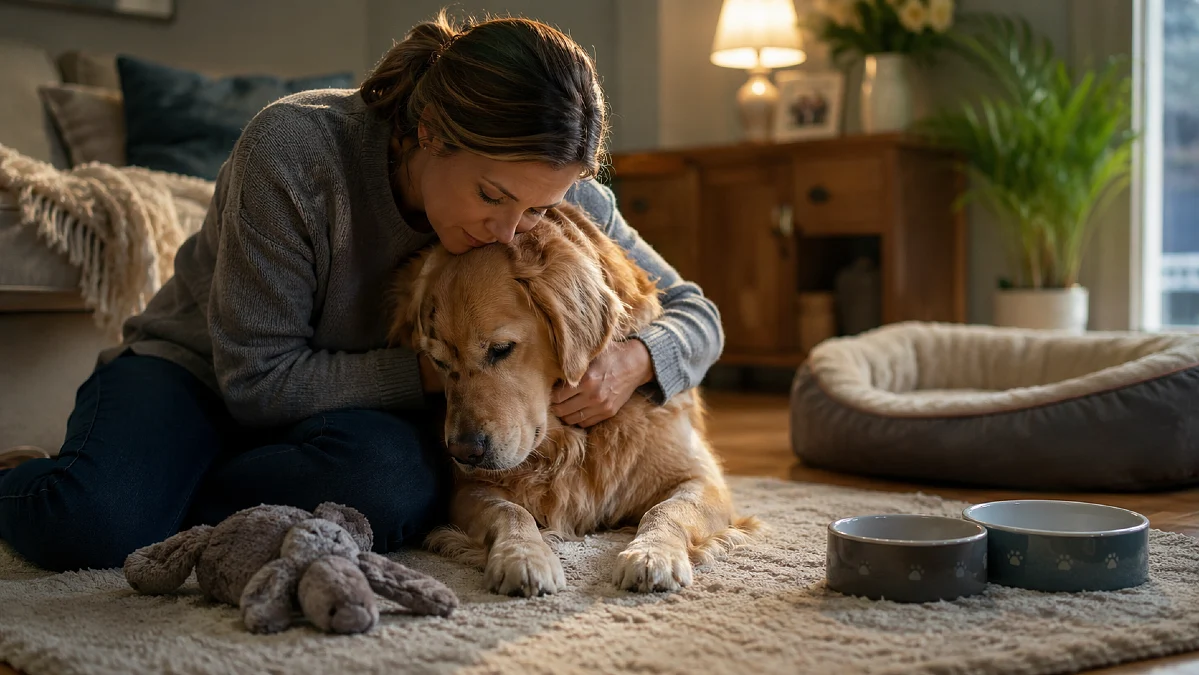
Losing a pet leaves a devastating quiet in your home. You are already in deep pain. But when you have a surviving dog wandering from room to room searching for their best friend, that quiet feels even heavier.
Your dog might stop eating, pace around constantly, or whine at the door. You feel completely helpless watching them suffer.
But you have the power to help them heal. This guide explains how to comfort a grieving dog using proven, vet approved methods. We will look at the science behind canine grief, recognizable symptoms, and the best pet loss support for dogs.
Do Dogs Mourn Another Dog? The Science of Canine Grief
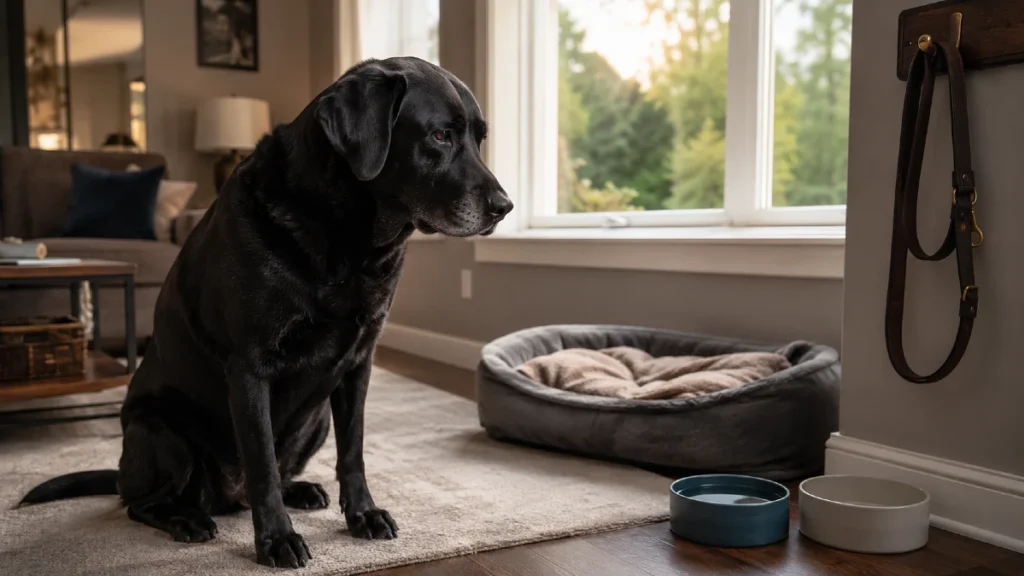
Yes, they absolutely do. Dogs form deep bonds with other animals living in the household. They do not fully grasp that death is permanent.
But they absolutely register the absence of their companion and the huge change to their daily routine. Here is why that matters: dogs rely on structure to feel safe. A missing pack member shatters that structure entirely.
Steven Feldman, President of the Human Animal Bond Research Institute, points out that dogs are highly empathetic creatures. Surviving dogs often mirror the emotional grief of their human owners.
Because dogs cannot tell us they are sad, they show us through their actions. A 2022 scientific study of 426 dogs confirmed this fact completely. The research showed surviving dogs frequently exhibit significant behavioral changes after losing a canine housemate.
5 Common Signs a Dog is Grieving
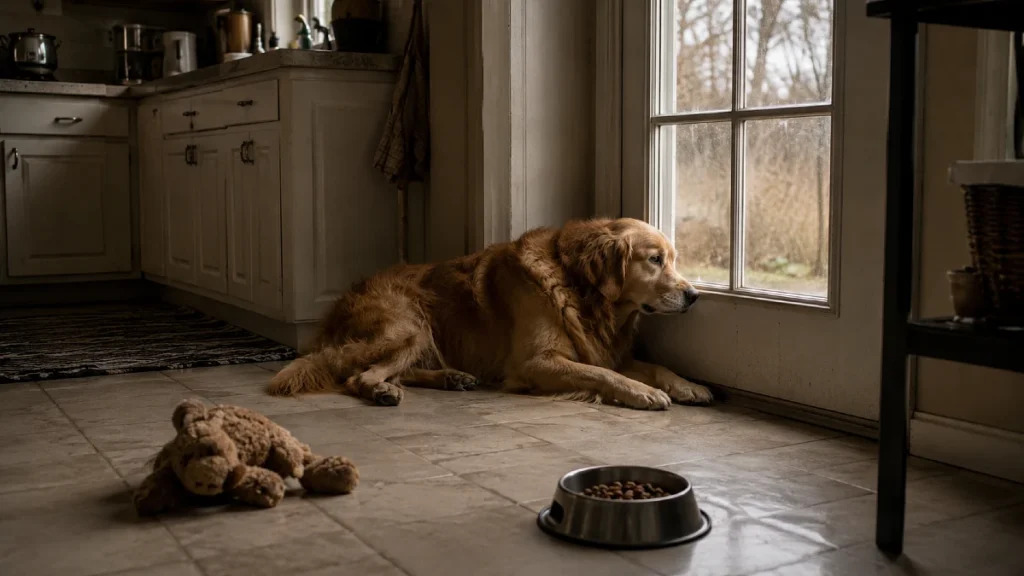
Behavioral regressions are completely normal right now. You might think your dog is sick, but they are likely just processing a major life change. Do dogs mourn another dog visibly?
The data proves they absolutely do. The 2022 study revealed exactly how common these symptoms are. You are not alone in dealing with these sudden changes.
Watch for these specific signs a dog is grieving. They often manifest in very clear ways.
5 Common Signs of Grief & Depression in Dogs
Appetite Changes
Low Energy & Sleep
Crying & Searching
Increased Clinginess
Loss of Interest
If you notice these signs, your dog needs your help to rebuild their sense of security. Here is exactly what to do.
How to Comfort a Grieving Dog: 5 Actionable Steps
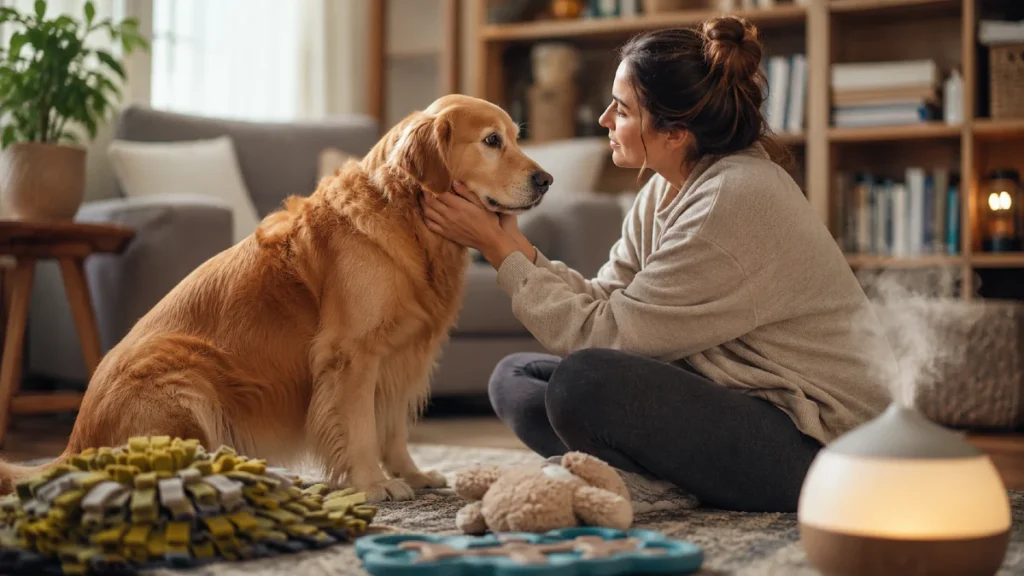
Maintaining a strict routine is your most critical tool. Your dog feels lost, so you must create a predictable environment for them. Follow these five steps to help them recover.
- Stick to the Routine: Keep feeding times and walking schedules exactly the same. Predictability provides a massive sense of security for an anxious dog. Do not change their environment right now.
- Increase Exercise: Physical activity is vital for mental health. Dr. Nicholas Dodman, a Veterinary Behaviorist at Tufts University, notes that strongly bonded dogs can get very low and exhibit a dull look with blank eyes. He suggests extra exercise to generate serotonin and boost their mood.
- Provide Mental Enrichment: Boredom makes anxiety much worse. Use interactive foraging toys like Kongs or snuffle mats to keep them busy. This scent game distracts them from whining while you are out of the house.
- Offer Extra Affection Wisely: Spend more time cuddling and brushing your dog to build trust. But there is a catch: you must be careful about timing. Do not reinforce howling or pacing by giving them treats or excessive praise during those loud moments.
- Use Calming Aids: Sometimes behavioral changes need a little extra support. Try using dog appeasing pheromones like Adaptil or DAP diffusers to calm their stress. Ask your vet about specialized supplements for anxiety if natural methods fail.
What NOT to Do When Your Dog is Mourning
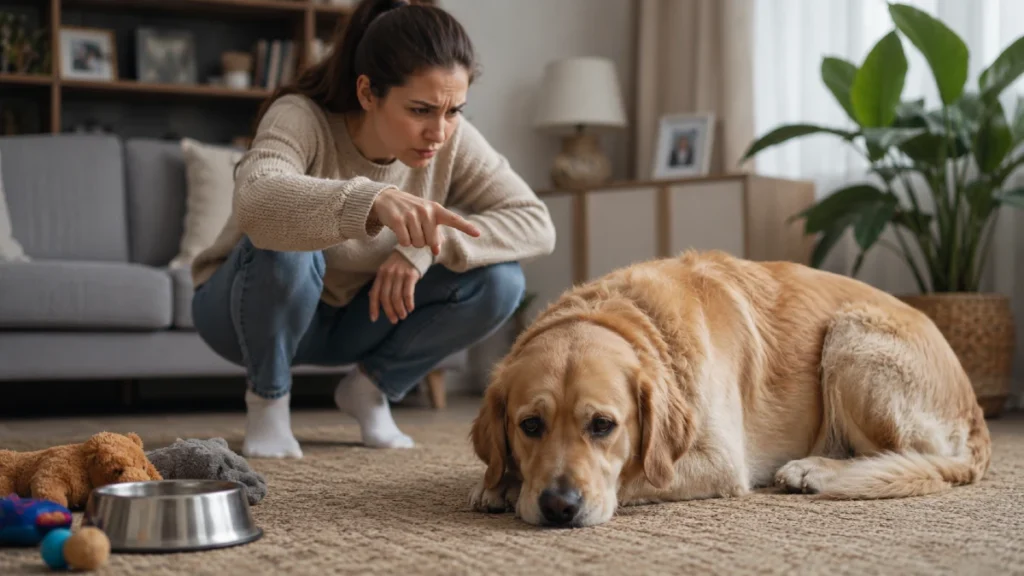
When our dogs hurt, our first instinct is to coddle them or find a quick fix. But human reactions can unintentionally prolong anxious behavior. You must avoid making these common mistakes.
Sam Gaines, RSPCA Head of Companion Animals, strongly advises against rushing to get a new pet. Pets need time to process the absence of their friend. Adding a new puppy disrupts the environment even further.
You must consider compatibility carefully before bringing a new pet home. The existing dog needs absolute stability first.
3 Crucial Mistakes to Avoid When Your Dog is Grieving
Do Not Rush a New Puppy
View Reasoning ⟡This causes extreme stress for a grieving dog who is not ready for a new housemate. Let them heal before introducing a stranger into their delicate environment.
Do Not Helicopter Parent
View Reasoning ⟡Hovering or overly fussing when your dog cries will reward and reinforce their anxious behavior. Give them quiet, steady support without making a big scene.
Do Not Force Them to Eat
View Reasoning ⟡If they skip one meal, let it go. Pressuring them creates food anxiety and makes the problem worse. Keep fresh water available and try again at the next mealtime.
Time is the absolute safest remedy. Just be patient and observe their behavior closely.
When to Seek Veterinary Advice
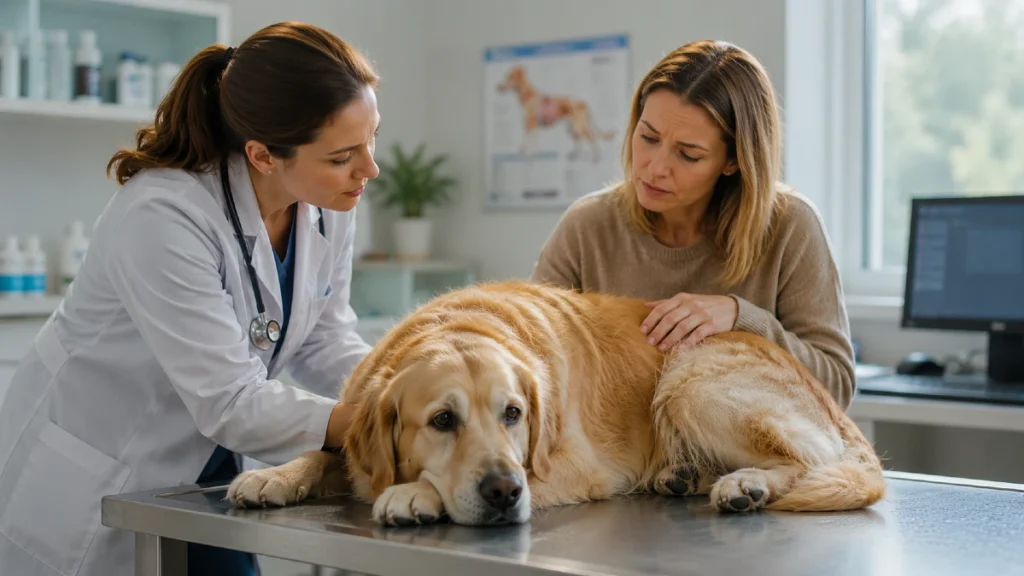
You must learn the difference between normal sadness and a real medical emergency. Grief is expected, but prolonged fasting or severe lethargy can trigger underlying health issues. Sometimes emotional stress masks physical sickness.
Watch the clock carefully. If severe symptoms like refusing water or food persist past 48 hours, you must consult a vet. A dog refusing food for days is at physical risk.
If mild grief persists past 6 to 8 weeks without improvement, you also need professional help. Veterinarians can prescribe specific anxiety medication if your dog’s grief turns into severe separation anxiety. They have the tools to offer pharmaceutical support when behavioral tricks fall short.
Never hesitate to call your clinic. Seeking professional pet loss support for dogs is always a smart choice.
3 Ways to Help Your Grieving Dog Eat Again
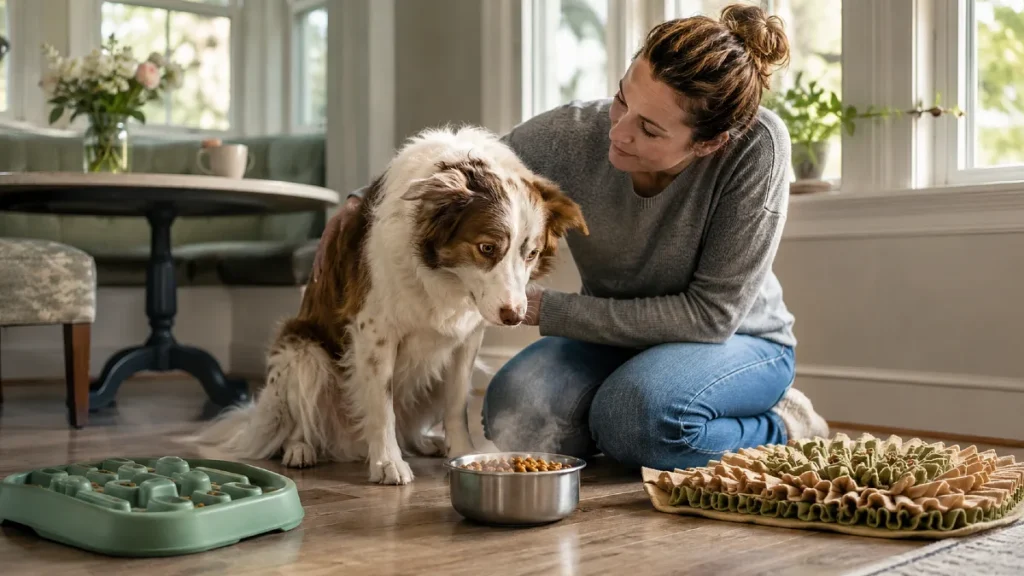
Your dog might stare at their food bowl and walk away. This causes a lot of stress for you. But a grieving dog often loses their desire to eat entirely. You need simple methods to make their meals tempting again without forcing them.
Food refusal happens because emotional distress suppresses their physical hunger. But you can encourage them to eat by making small changes to their daily routine. Here is exactly how you can help them find their appetite.
- Warm up their meals: Add warm water to their dry food. This makes the meal smell much stronger. Dogs rely on their nose to build an appetite.
- Stay close by: Sit near their bowl during dinner. Your presence makes them feel completely safe. They might just need you sitting close to them to feel comfortable enough to eat.
- Ditch the bowl: Try serving dinner in a puzzle toy. Sometimes eating from a regular bowl feels boring or sad. Working for their food distracts their brain and turns dinner into a fun game.
You can also try adding safe toppers to their regular meals. These healthy additions make dry food much more exciting.
| Symptom Category | Normal Grief Behavior | When to Call the Vet |
|---|---|---|
| Eating Habits | Skips a single meal or eats slowly. | Refuses all food and water for 48 hours. |
| Energy Levels | Sleeps more often and ignores toys. | Cannot stand up or completely ignores you. |
| Vocalization | Whines softly or paces by the door. | Howls constantly or hurts themselves. |
| Bathroom Habits | Slightly irregular schedule due to stress. | Severe diarrhea or vomiting. |