
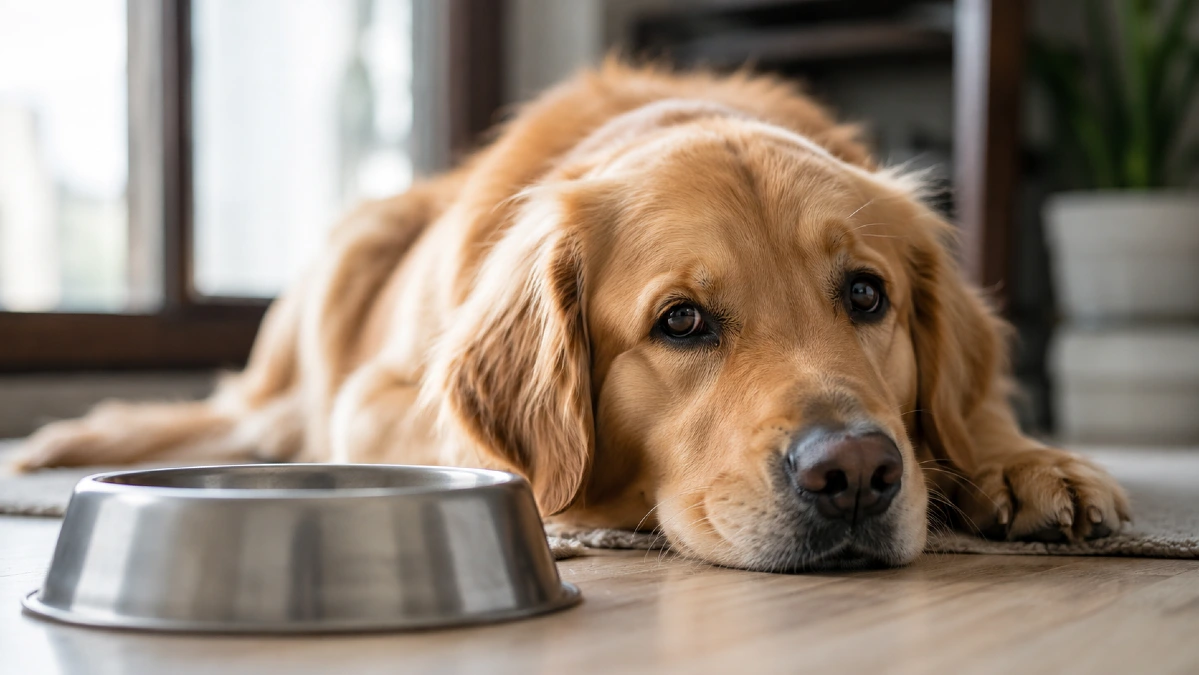
Seeing your usually food loving dog turn their nose up at their favorite meal is terrifying. If your dog has refused food for 48 hours, panic sets in quickly. You are caught between rushing to the emergency vet and wondering if they just want table scraps.
Waiting feels dangerous. Knowing what to do when your dog won’t eat for days gives you control. Here you will learn the exact timeline of when to worry and the real reasons behind a dog loss of appetite.
You will also get proven vet approved strategies to safely encourage them to eat. This guide gives you the steps you need to fix the problem without the stress.
How Long Can a Dog Go Without Eating? The 48 Hour Rule
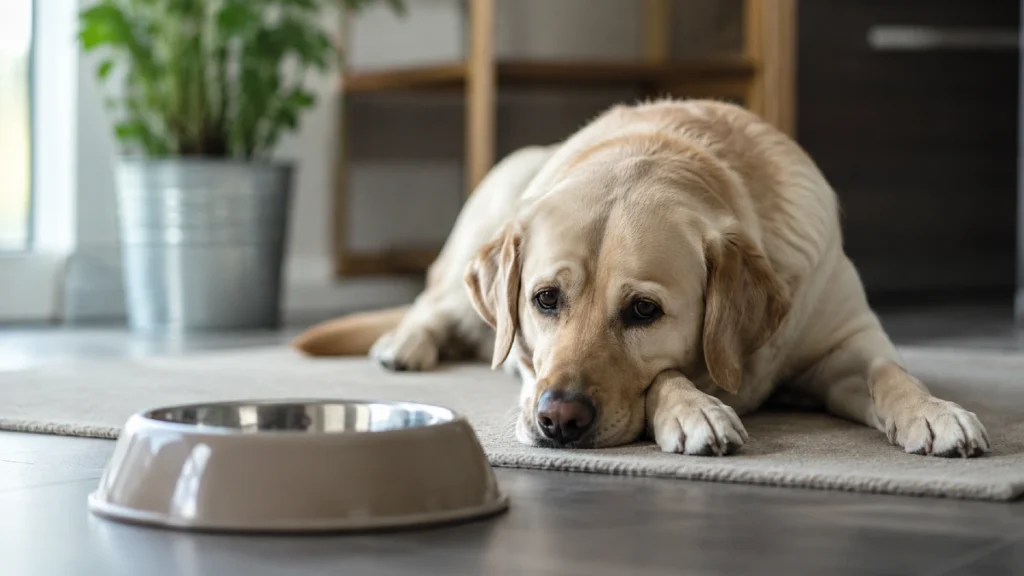
A healthy adult dog stores fat and energy well. This lets them technically survive 3 to 5 days without food. But this rule only applies if they are drinking plenty of water.
Water is the critical metric here. A dog can become dangerously dehydrated within 24 hours of not drinking water. Their organs need water to function, making food fasting very different from water fasting.
Veterinary consensus states you should step in after 24 to 48 hours of complete food refusal. How long can a dog go without eating depends heavily on their age and overall health. Puppies burn calories fast and cannot wait days to eat.
Senior dogs and dogs with existing conditions like diabetes have a much shorter grace period. Their blood sugar can drop quickly. These vulnerable dogs must see a vet within 12 to 24 hours.
| Dog Age or Condition | Maximum Time Without Food | Maximum Time Without Water |
| Healthy Adult | 48 hours | 24 hours |
| Puppy | 12 hours | 12 hours |
| Senior or Sick Dog | 24 hours | 12 hours |
Common Dog Anorexia Causes: Why is Your Dog Fasting?
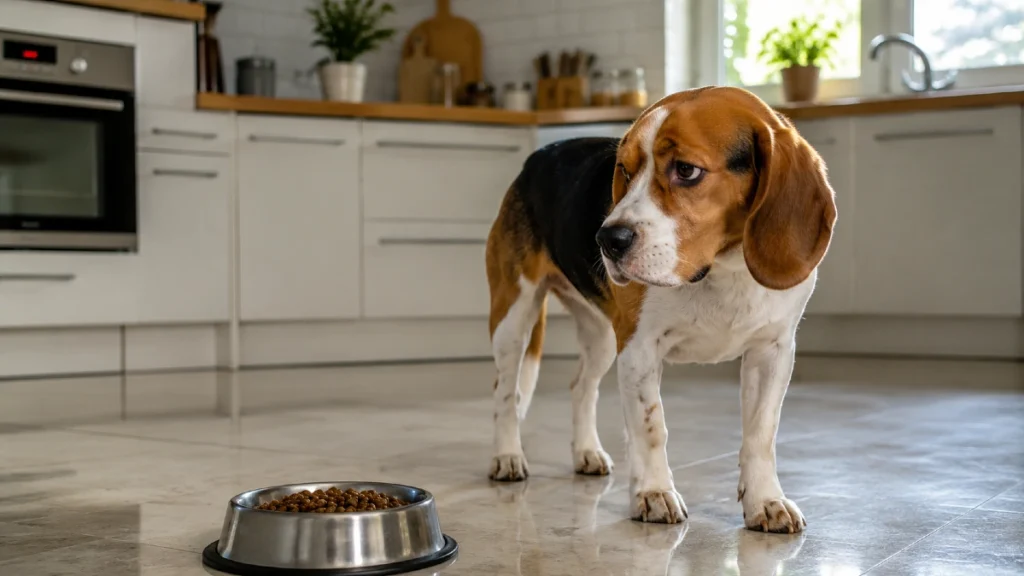
Veterinarians use two specific words for this issue. Hyporexia means a decreased appetite. Anorexia means a complete refusal to eat. Both are symptoms of a bigger problem, not diseases themselves.
Here are the most common dog anorexia causes:
- Medical Issues: Dental pain like broken teeth or gum disease makes chewing physically hurt. Gastrointestinal infections, kidney disease, or simple nausea also kill the drive to eat. A sick dog will naturally fast to rest their stomach.
- Behavioral and Environmental: Stress changes how a dog’s body works. Stress hormones like cortisol trigger a fight or flight response. This chemical reaction actively stops their digestion and appetite. Separation anxiety, a recent move, or a new baby in the house can trigger this heavy stress.
- Dietary Issues: Sometimes the food itself is the problem. Spoiled kibble tastes bad and dogs can smell the rot. Sudden changes in food brands upset their stomach. Sometimes it is just simple pickiness because they want better treats.
- Age and Activity: Senior dogs naturally need fewer calories as they slow down. Dogs getting less exercise in the winter also need less food. Their bodies adjust to the lower activity level.
While some causes are harmless, medical issues always require a vet’s eye.
Red Flag Symptoms: When to Go to the Vet Immediately
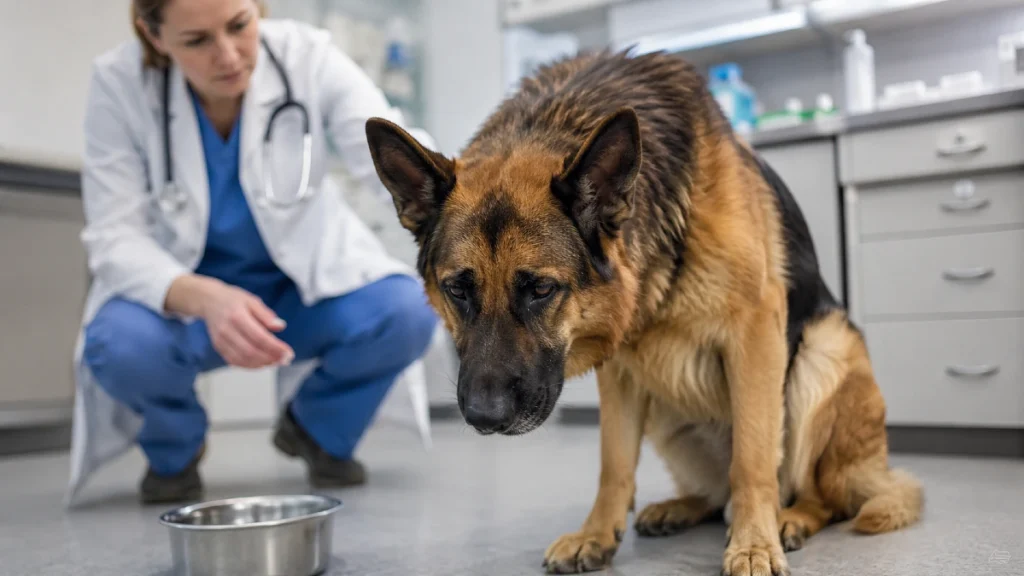
You must bypass the wait and see approach if other symptoms appear. Do not wait 48 hours if food refusal comes with visible sickness. A dog loss of appetite is an emergency when paired with vomiting, diarrhea, lethargy, or extreme weakness.
These show a systemic issue happening in the body. You can check their hydration at home using the skin tent test. Gently lift the skin at the back of the neck. It should snap back into place immediately.
The dog is severely dehydrated if the skin stays tented up in a ridge. Next, check their gums. Healthy dog gums are moist and bubblegum pink. Pale, dry, or sticky gums require an emergency visit.
Missing one meal is fine for a healthy dog. But refusing water for 24 hours can lead to rapid organ damage. Call your emergency vet right away if you see any of these dangerous signs.
| Gum Color | What It Means | Action Required |
| Bubblegum Pink | Normal and healthy | Monitor appetite at home |
| White or Pale | Blood loss or shock | Go to vet immediately |
| Red or Inflamed | Infection or toxins | Go to vet immediately |
What to Do When Your Dog Won’t Eat for Days: 5 At Home Solutions
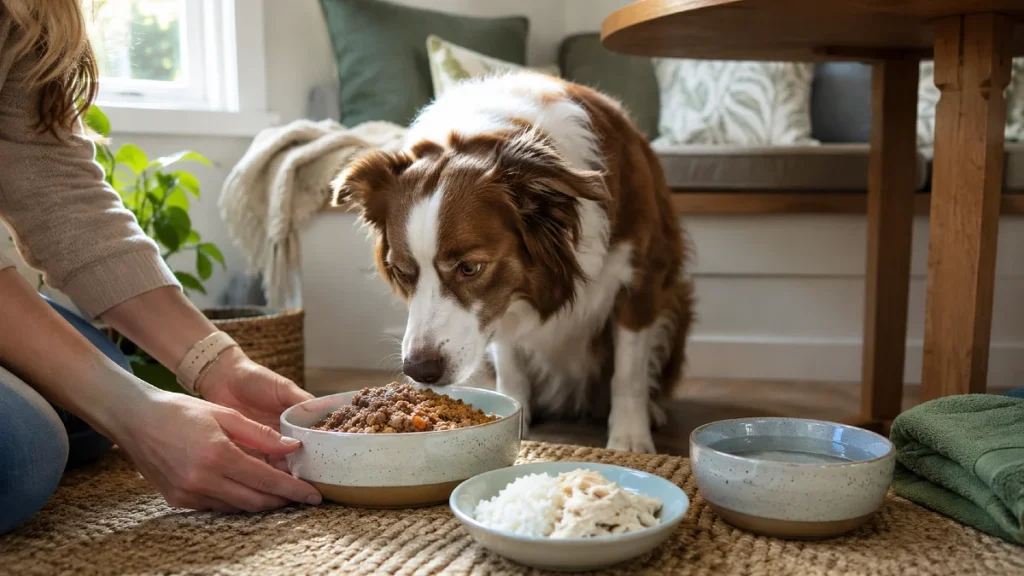
Start with the easiest fixes first. Never force feed your dog. This causes panic and can cause choking or aspiration pneumonia. Try these 5 steps instead.
5 Steps to Rebuild Your Dog’s Appetite
Warm the Food
Heating food slightly enhances the aroma. Smell is a primary driver of a dog’s appetite. Add a splash of warm water to their kibble and let it sit for a minute.
Add Safe Mix-ins
Check Freshness
Check the expiration dates on the food bag to ensure the kibble has not gone rancid. Oils in dry dog food spoil quickly when left open in warm air.
Establish Boundaries
Put the food bowl down. Remove the bowl entirely after 15 minutes. Leaving food out all day ruins their appetite and creates a picky eater. They need to learn that meal time has a strict limit.
Prioritize Hydration
Water matters much more than food right now. Offer ice cubes if they refuse to drink from a normal bowl. A pet water fountain works well for dogs who prefer moving water. You can also mix extra water into wet food.
| Safe Food Additions | Toxic Additions (Never Add) |
| Plain boiled chicken | Onions |
| White rice | Garlic |
| Low sodium broth | Grapes or raisins |
Knowing what to do when your dog won’t eat for days gives you a solid plan of action. These steps are temporary fixes for minor issues.
What Will the Vet Do if Your Dog Refuses Food?
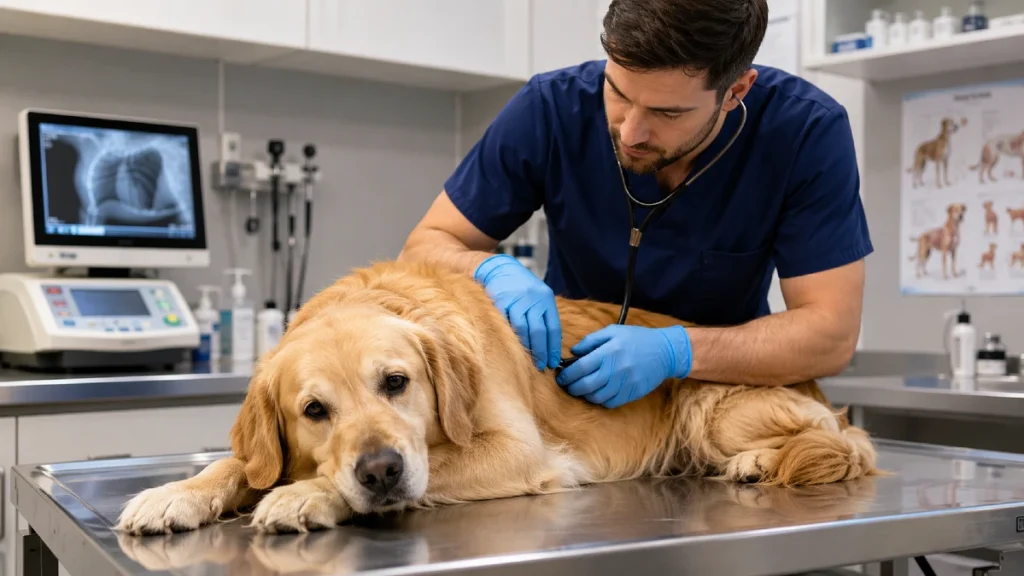
If home remedies fail, it is time for professional help. Your vet will start with a full physical exam. They will check your dog’s teeth, weight, and hydration levels.
Next comes blood work and maybe an x ray to look for hidden issues like kidney problems or a blocked stomach. The vet might give your dog fluids under the skin. This instantly fixes dehydration and makes them feel much better.
They might also prescribe appetite pills like mirtazapine. These medicines tell the brain it is time to eat again. They can also use anti nausea medication like maropitant. This breaks the fasting cycle completely so your dog can heal.