
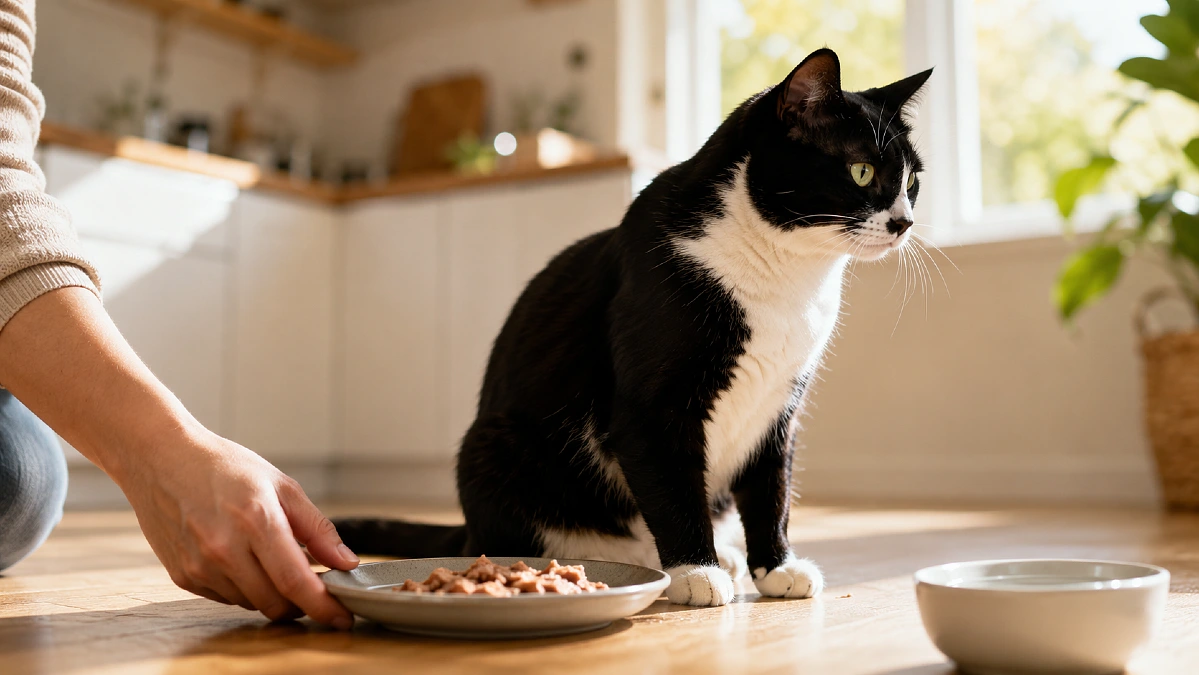
A full food bowl is usually a welcome sight. But when your typically food motivated cat stops eating suddenly, it is a major worry. Unlike humans or dogs, cats cannot handle fasting.
Skipping even a few meals triggers a dangerous chain reaction in their liver. You might ask yourself, why won’t my cat eat?
This guide covers the medical and behavioral reasons for a cat loss of appetite. You will learn how to entice them to eat and when to call the vet.
1. The 24 to 48 Hour Rule: Why You Cannot Wait
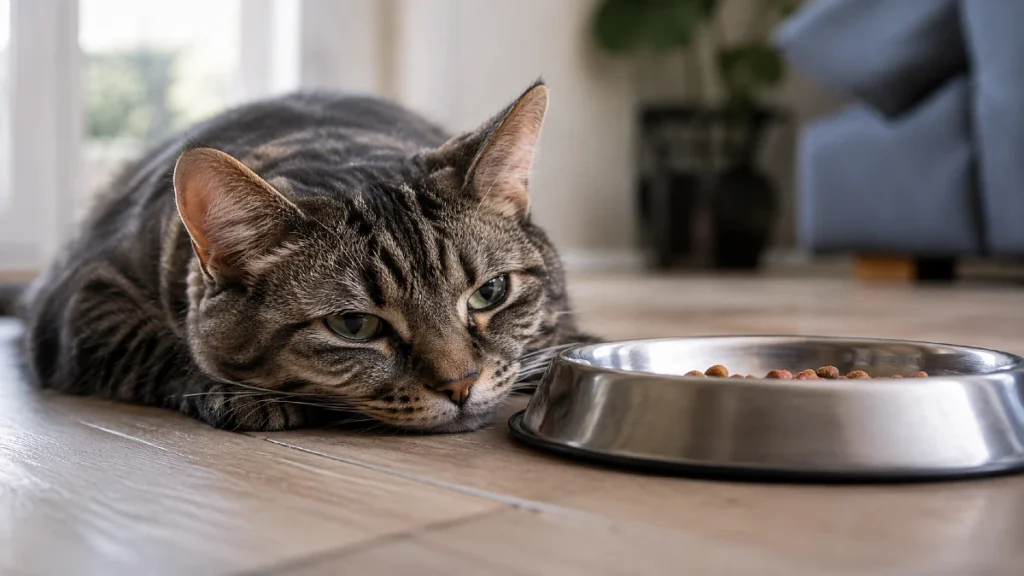
Dogs and humans can go a few days without food safely. Cats cannot do this because their metabolism is unique. When a cat goes without food, their body quickly moves fat reserves to the liver to use for energy.
This process causes a dangerous condition called feline hepatic lipidosis, which people also call fatty liver syndrome. The liver gets overwhelmed by the sudden flood of fat.
Once this happens, the organ stops working properly. This liver stress begins within 48 hours of fasting. According to guidelines from VCA Animal Hospitals, this liver damage can become fatal within 3 to 5 days.
Every cat is at risk, but heavy cats face the highest danger. Veterinarians use a tool called the Body Condition Score to check if a cat is overweight. If your cat has a high score, their large fat stores put them at extreme risk for rapid liver failure.
Emergency Warning: Look at the whites of your cat’s eyes and the inside of their ears. A yellow tint means jaundice. This is a late stage sign of liver failure, and you must visit an emergency vet immediately.
| Fasting Duration | What is Happening Inside the Liver | Risk Level |
| 12 to 24 Hours | The cat enters a fasting state and energy drops. | Low |
| 24 to 48 Hours | The body starts breaking down fat reserves too quickly. | Moderate |
| 3 to 5 Days | Fat clogs the liver cells and shuts the organ down. | Extreme / Fatal |
Myth vs. Fact
- Myth: Overweight cats have plenty of fat reserves, so they can safely skip meals for a few days to lose weight.
- Fact: Overweight cats are actually at the highest risk of fatal liver failure if they stop eating.
2. Medical Reasons: Is Your Cat in Pain?
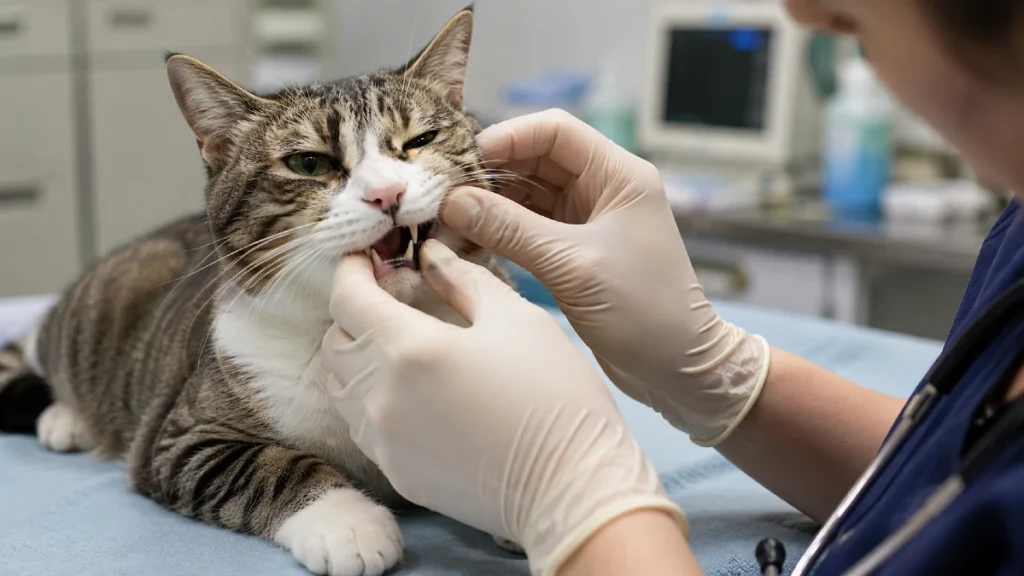
Cats are experts at hiding physical pain. Often, a total refusal to eat is the only sign that your cat is sick.
Dental issues are a very common cause of sudden fasting. Inflamed gums, broken teeth, or oral tumors make chewing excruciatingly painful. Your cat might want to eat, but the physical act of chewing hurts too much.
A loss of smell will also stop a cat from eating. Cats rely heavily on their sense of smell to trigger their appetite. If your cat has an upper respiratory infection, their nose gets blocked. If they cannot smell the food, they will not view it as food.
Nausea and gastrointestinal blockages also cause an immediate drop in appetite. Diseases like kidney disease and pancreatitis make cats feel very sick to their stomach. Swallowing foreign objects like string or hair ties creates a physical blockage that triggers intense nausea.
Watch your cat approach their food dish. If they sniff the food, lick their lips, and walk away, they are likely experiencing nausea.
3. Environmental and Emotional Stressors
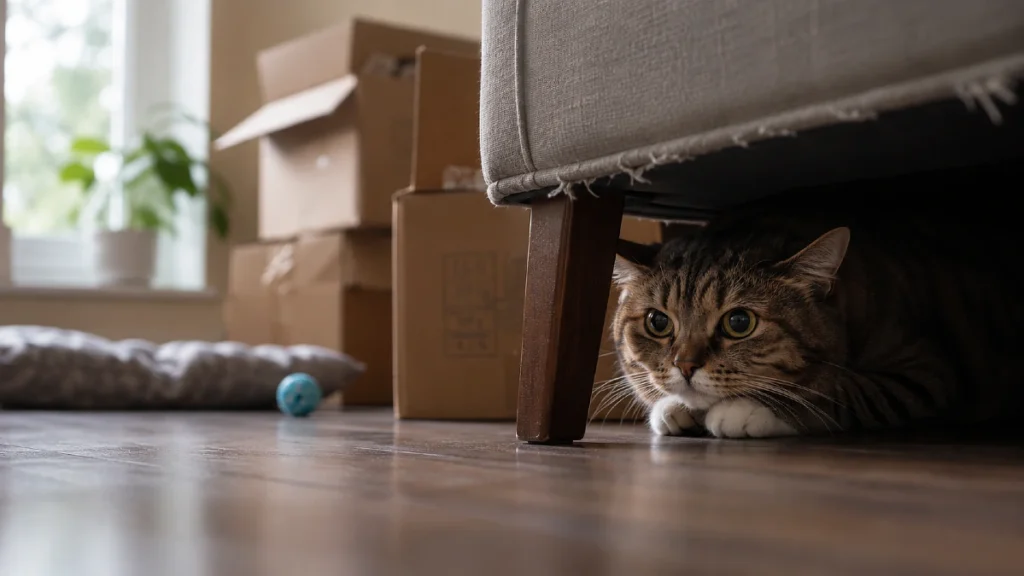
If your veterinarian confirms that your cat is healthy, the issue might be environmental. Cats love routine and dislike changes in their environment.
Major changes like moving to a new home, home construction, a new baby, or a new pet can induce anxiety. This stress causes them to reject food.
Mealtime intimidation is another hidden issue in homes with multiple pets. One cat might stand near the food bowl and stare down the other. The timid cat will refuse to cross the room to eat.
Bowl placement also matters to a cat. Cats feel vulnerable when they eat. If the bowl sits next to a noisy washing machine or near their litter box, they may avoid the area entirely.
4. Food and Equipment Issues
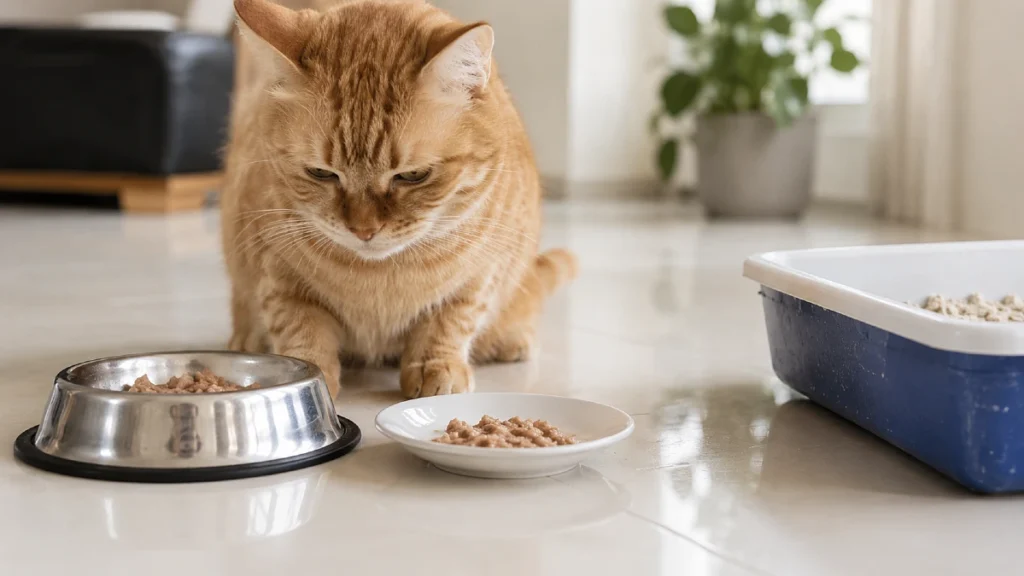
Sometimes the problem lies directly in the food bowl or the bowl design. Small details can cause a cat to abandon their meals.
Sudden diet changes frequently cause food refusal. Cats have sensitive digestive systems and rigid habits. Changing their kibble brand overnight can cause them to reject the new food entirely. Experts from Cats Protection state that diet transitions must happen gradually over 7 to 10 days.
| Bowl Characteristic | Why Cats Dislike It | The Better Alternative |
| Deep and narrow plastic bowls | Rubs against sensitive whiskers and collects bacteria. | Wide, flat ceramic dishes |
| Located near the litter box | Cats naturally avoid eating where they eliminate wastes. | A quiet, low traffic room |
| Placed next to loud appliances | Sudden noises frighten the cat during meals. | A calm corner with an escape route |
Whisker fatigue is another common equipment issue. A cat’s whiskers are highly sensitive sensory organs. Deep, narrow bowls force the whiskers to rub against the sides during every bite, which causes physical irritation.
Finally, check the packaging. Pet food manufacturers sometimes change their recipes without warning. Your cat will notice the different scent or texture immediately.
5. Actionable Steps: How to Entice Your Cat to Eat Today
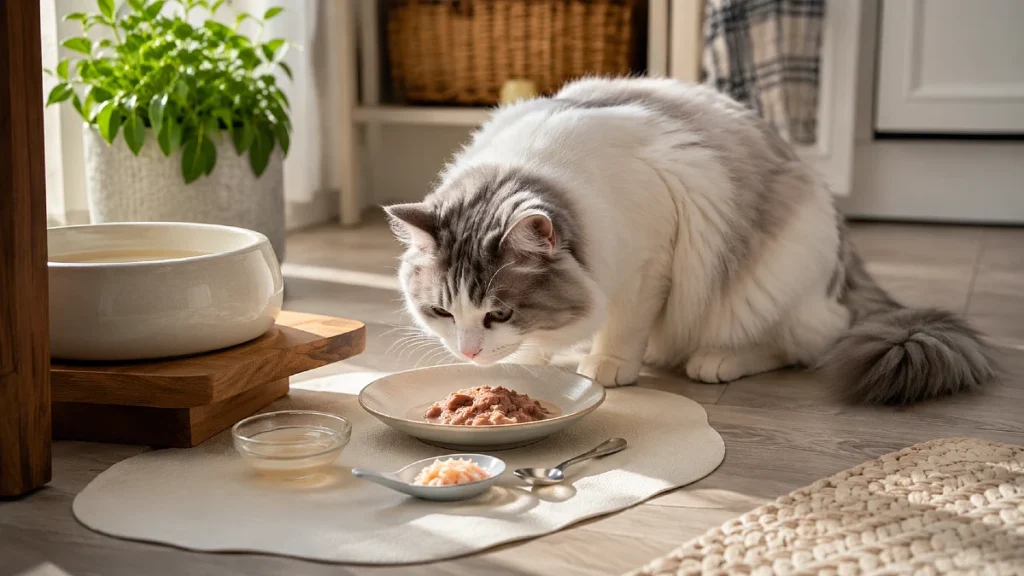
You can try these practical steps at home to encourage your cat to eat while you arrange a veterinary checkup.
Actionable Steps: How to Entice Your Cat to Eat Today
You can try these practical steps at home to encourage your cat to eat while you arrange a veterinary checkup.
Place a small portion of wet food in the microwave for 5 to 10 seconds. Check for hot spots with your finger before serving. Warming the food enhances the meaty aroma.
Serve the food on a flat, shallow ceramic or stainless steel plate. This setup prevents whisker irritation entirely.
Pour a tablespoon of tuna water from a can packed in spring water over the food. You can also use plain, unseasoned boiled chicken broth with no onions or garlic.
Wash the dish thoroughly using hot water. Cats despise the scent of old, dried food crusts and heavy chemical dish soaps.
Conclusion
A cat skipping a single meal might just mean they are picky that day. However, a cat that refuses food for a full 24 hours faces a serious medical warning sign.
Feline liver issues develop rapidly, but up to 85% of cats recover if a veterinarian diagnoses and treats the issue early.