
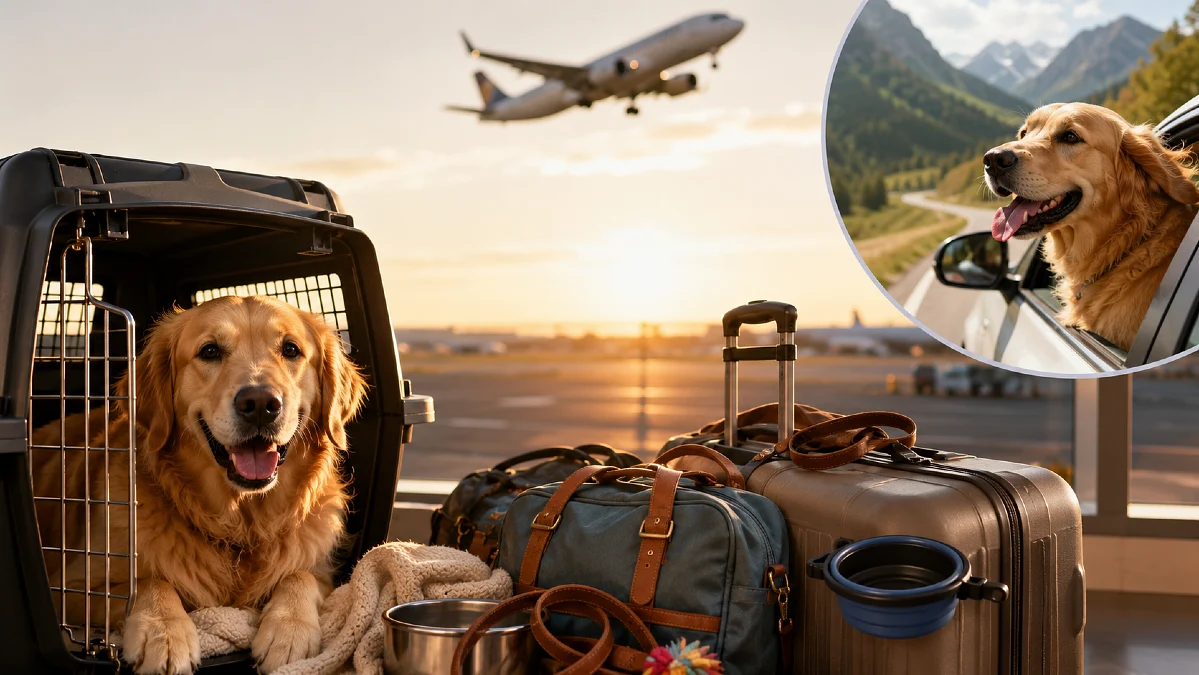
The pet travel industry is booming. About 78% of American pet owners now choose to travel with their animals each year. But bringing your dog along is stressful. You worry about changing health documentation rules and confusing airline crate requirements.
The fear of transit anxiety makes things worse. Hitting the road or skies with your dog can feel incredibly overwhelming. One wrong piece of paper could ruin your entire trip.
It does not have to be this hard. You will learn exactly how to prepare for a seamless trip. We will cover securing the right veterinary paperwork and packing the essentials. You will also master safety protocols for both road trips and flights.
How to Handle Pet Travel Requirements in 2026
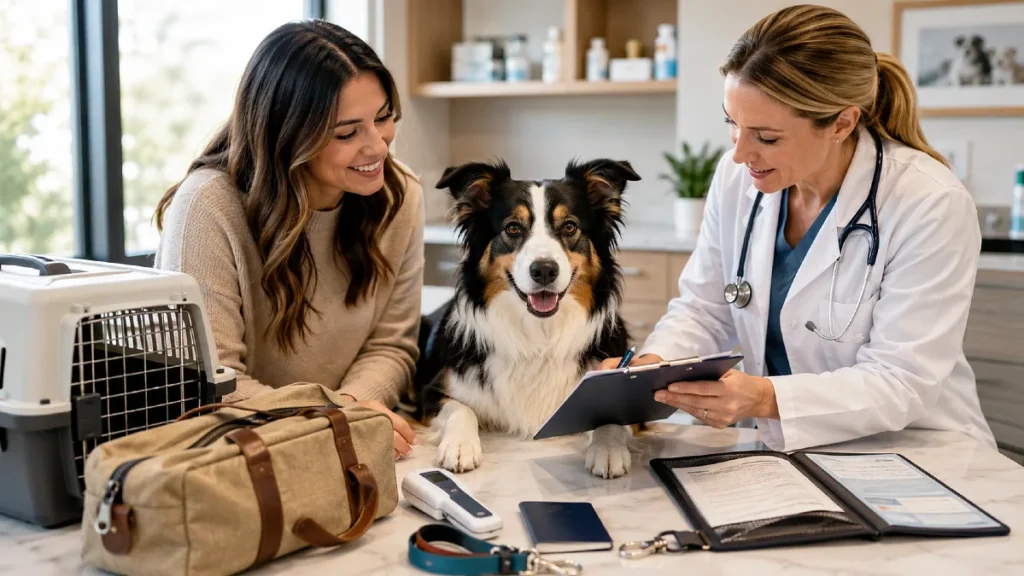
Paperwork is the single most important part of your trip. Ignoring it will ruin your vacation before it starts.
The pet travel services market is projected to hit $2.47 billion in 2026. This means vet offices and USDA endorsement offices are busier than ever. You must book early to secure your spot.
Follow these exact steps to get your dog ready:
- Schedule a vet visit: Most airlines and state borders demand a Certificate of Veterinary Inspection or CVI. Your vet must issue this within 10 days of travel.
- Get the right microchip: International trips require an ISO compliant microchip. If you do not have one, you must bring your own scanner.
- Check destination rules: Every location has unique rules. You need to look up updated EU health certificate transitions for 2026. You should also check USDA APHIS screwworm regulations if importing pets to the US.
Here is a quick breakdown of paperwork needs.
| Travel Type | Required Documents | Timeframe |
| Domestic | CVI and Rabies Certificate | Within 10 days of travel |
| International | CVI, Rabies, ISO Microchip, USDA Endorsement | Varies by country |
| Hawaii or Islands | All above plus Rabies Titer Test | Months in advance |
Check the USDA VEHCS portal to submit your documents electronically. Book your vet appointment at least 30 days out.
How to Survive a Long Car Ride With a Dog
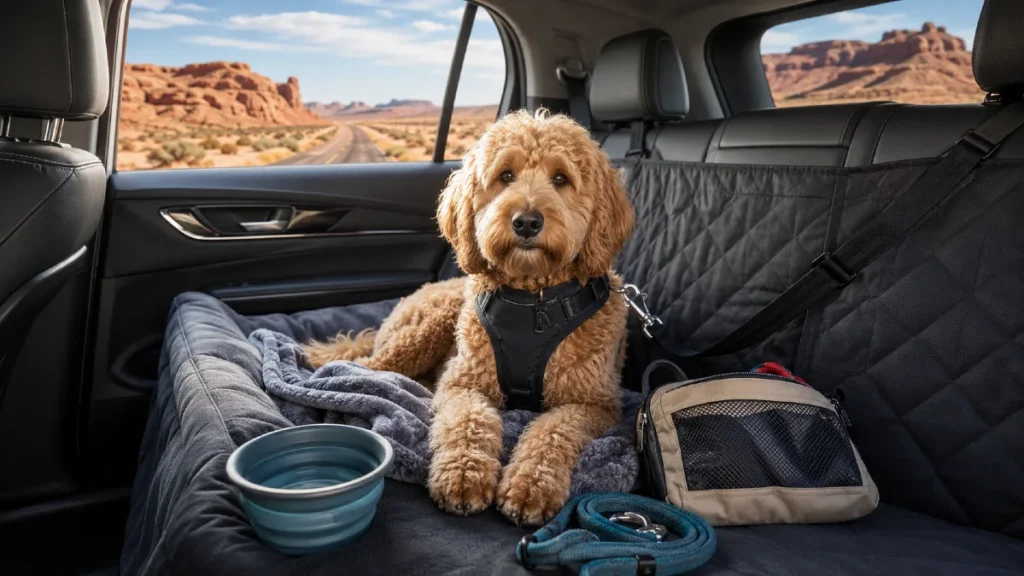
Picture this. Your dog is bouncing around the backseat while you drive down the highway. This is dangerous for everyone in the vehicle.
A long car ride with a dog requires planning. Did you know 52% of travelers base their vacation plans around accommodating their pets? If you are one of them, safety comes first.
Keep your dog safe and comfortable with these tips:
The Safe Dog Road Trip Blueprint
Secure the dog safely
Use a crash-tested crate or a seatbelt harness from brands like Sleepypod. Never let your dog ride in an open truck bed. Keep their head inside the window to prevent eye injuries.
Prevent motion sickness
Feed your dog lightly before the trip. Give them about one third of their normal meal to keep their stomach settled during the ride.
Take practice runs
Get your dog used to the car environment. Take short and positive trips around the neighborhood before embarking on the actual journey.
Plan frequent potty breaks
Train your dog to relieve themselves on various surfaces like gravel or mulch before leaving home. Find dog-friendly parks along your route using the BringFido App.
Here is how often you should stop.
| Dog Age | Break Frequency | Activity Level Needed |
| Puppy | Every 1 to 2 hours | Short walk and play |
| Adult | Every 3 to 4 hours | Moderate walk |
| Senior | Every 2 to 3 hours | Slow stretch and water |
A secure dog means a focused driver.
The 2026 Rules for Flying With a Dog
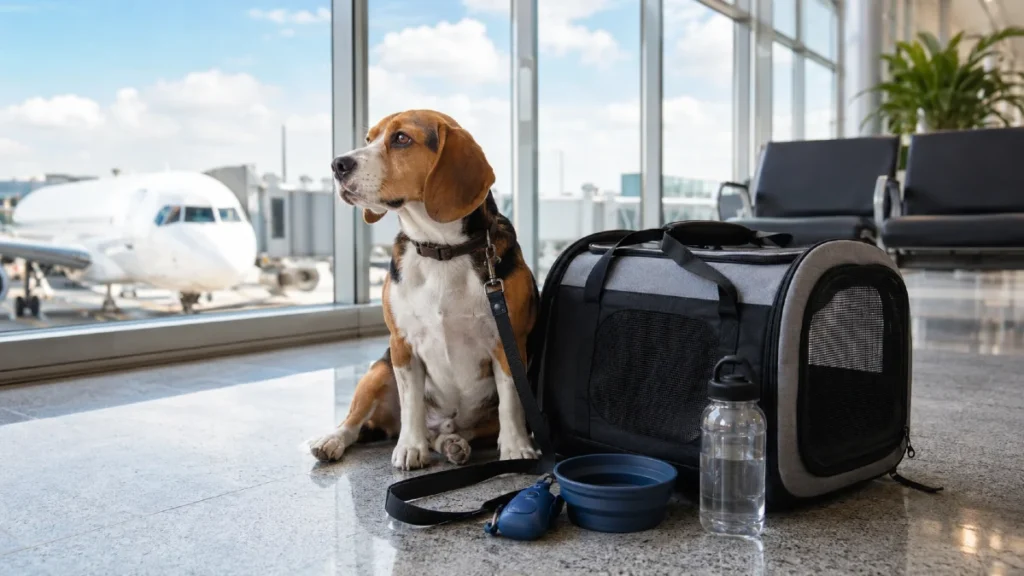
Flying is the most stressful part of pet travel. But knowing the rules changes everything.
Dogs make up an overwhelming 58% of pets traveling globally. Airlines treat dogs differently based on size. Small dogs can fly in the cabin under the seat. Large dogs must fly in cargo.
Cargo transport has strict temperature and crate rules. Federal regulations prohibit shipping animals as cargo in extreme weather. You cannot fly your dog if temperatures fall below 45 degrees Fahrenheit or exceed 85 degrees Fahrenheit for more than four hours.
Here is the truth: airlines often ban brachycephalic dogs like Pugs and French Bulldogs from cargo. These short nosed breeds face severe respiratory risks.
Do not drug your dog. The American Veterinary Medical Association and airlines advise against tranquilizing pets for flights. Sedation causes altitude and respiratory complications.
Here is a comparison of flight options.
| Transport Type | Best For | Key Requirement |
| Cabin | Dogs under 20 lbs | Soft sided carrier under seat |
| Cargo | Dogs over 20 lbs | Hard sided and ventilated crate |
Always link directly to your specific airline pet policy page before booking.
The Ultimate Dog Travel Packing List
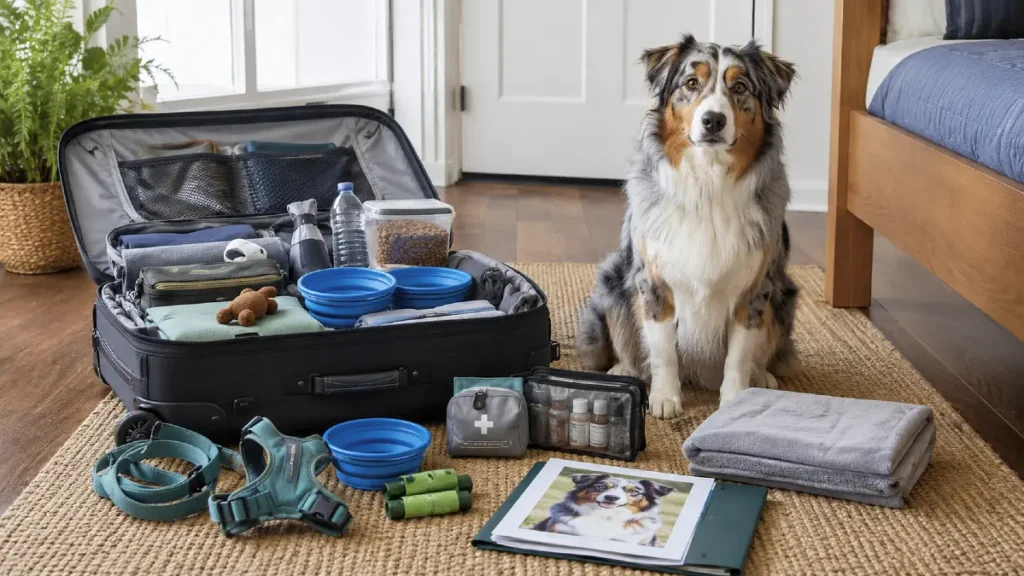
So, what actually needs to go in their bag? Packing the right items keeps your dog calm and healthy.
About 27% of dog owners go the extra mile. They pack homemade treats and curate special music playlists to calm their pets in transit. You should pack smart to avoid emergencies.
Pack these essentials for your trip:
- Required documentation: Bring your CVI, rabies certificates, medical records, and a recent photo.
- Dietary staples: Pack your dog’s regular food and bottled water. Abrupt water or diet changes cause stomach upset on the road.
- Comfort items: Bring orthopedic crate pads and interactive puzzle toys. Pack collapsible travel bowls.
- First aid: Build a pet specific first aid kit. Include emergency vet contacts for your destination.
Pack extra paper towels and an enzymatic cleaner just in case.
How to Find Real Pet Friendly Hotels

Finding a safe place to sleep is hard. Many hotels say they welcome pets. But they hit you with hidden fees or strict weight limits when you arrive. This leaves you stranded after a long drive.
You need to ask the right questions before you book your room. Call the front desk directly. Do not rely on third party websites. Their policies are often out of date.
Here is what you must check before paying:
- Ask about weight limits: Many places only accept dogs under 40 pounds.
- Check for breed restrictions: Some hotels ban specific breeds completely.
- Confirm pet fees: Ask if the fee is per night or a flat rate for the whole stay.
- Ask about room rules: Most hotels forbid leaving your dog alone in the room.
Here is a quick guide to common hotel rules you will face.
| Hotel Rule | What It Actually Means | What You Should Do |
| Pet Fee | Extra charge for deep cleaning | Budget an extra 50 to 100 dollars |
| Size Limits | Large dogs are turned away | Tell them your dog’s exact weight |
| No Unattended Pets | You cannot leave the dog alone | Plan to eat at outdoor restaurants |
Always request a ground floor room near an exit. This makes late night potty breaks much easier for you and your dog.
Conclusion
Successfully managing a trip with your dog boils down to three things. You need early vet visits. You must strictly follow transit safety rules. You also need to pack familiar comforts.
Do not wait until the last minute to get your paperwork in order. Your pet relies on you to make the right choices for their health and comfort.