
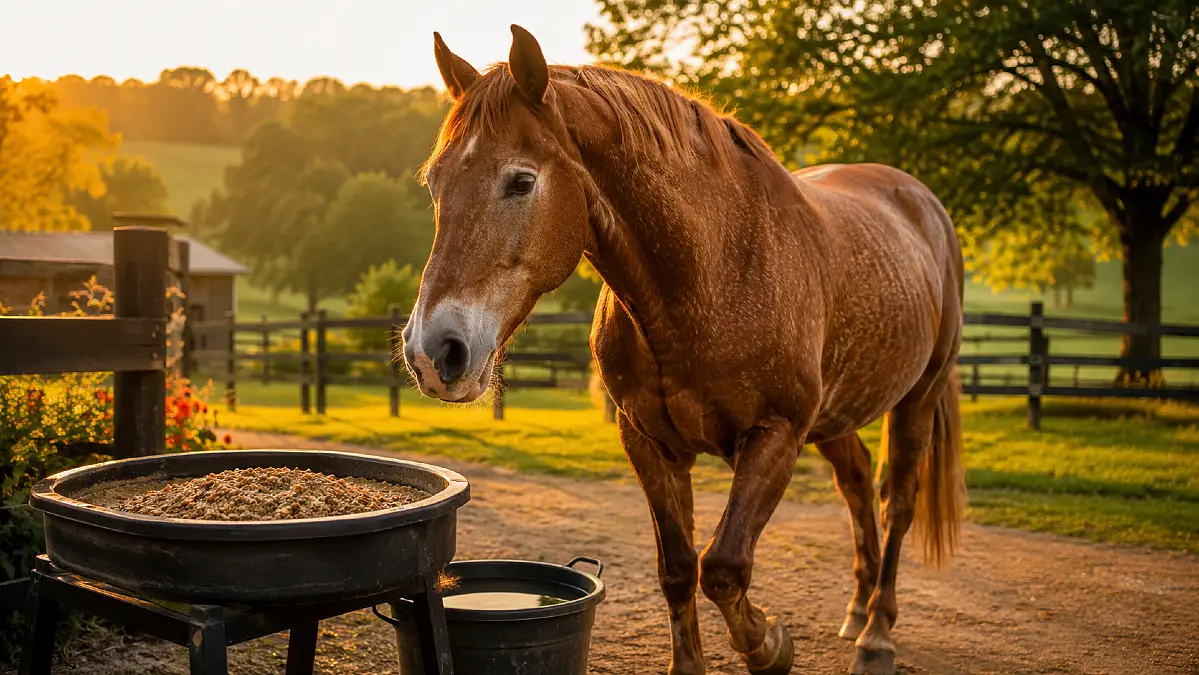
You love your horse. They have been your partner for years. Now that they are older, you want to give back to them. You notice they are not the same animal they were years ago.
Seeing your horse lose muscle, drop weight, or struggle to walk is painful. You worry about their comfort and their future. Standard hay and grain are not enough to keep them strong anymore.
It is time to update their care. By knowing what to feed a senior horse and how to manage their environment, you can keep them happy. We will cover how to improve senior horse weight gain and support senior horse mobility support with practical steps.
Why Your Senior Horse Needs a New Diet
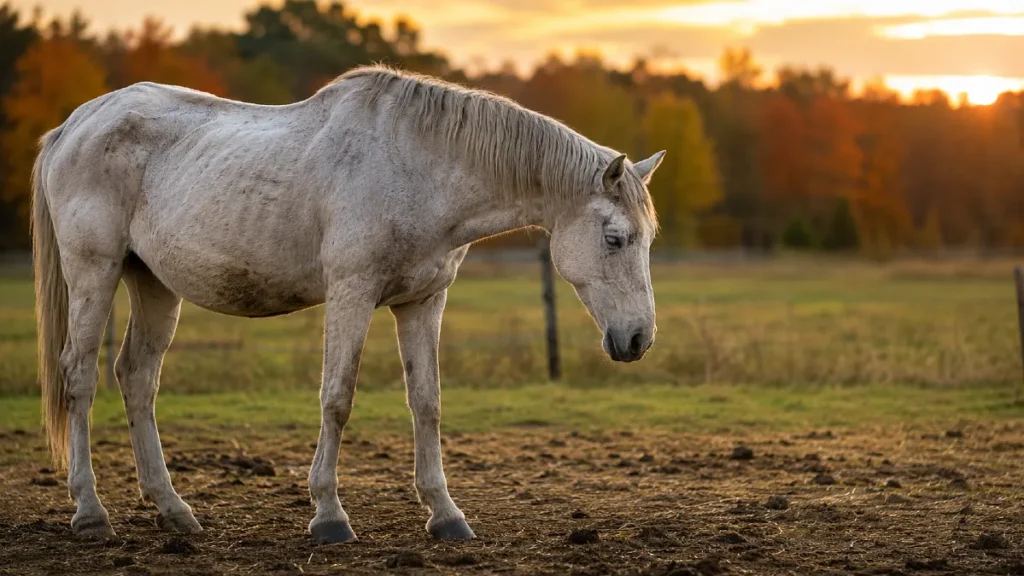
Aging changes how a horse processes food. Their metabolism slows down. They often have dental issues that make chewing hard.
According to Iowa State University Extension and Outreach, senior horses may need 1.5 to 2 percent of their body weight in high quality forage daily. However, their body cannot process that food like it used to.
If you feed them the same way you did when they were ten, they will struggle. You need to adjust based on their physical signs.
Signs Your Senior Needs a Diet Change
| Sign | What it Means | Action Needed |
| Dropping hay | Teeth issues | Soak feed or use pellets |
| Losing top line | Low protein | Add high quality protein |
| Slow movement | Joint pain | Check inflammation levels |
This leads us to the food itself. You cannot just feed more of the same. You need better fuel.
3 Ways to Boost Senior Horse Weight Gain
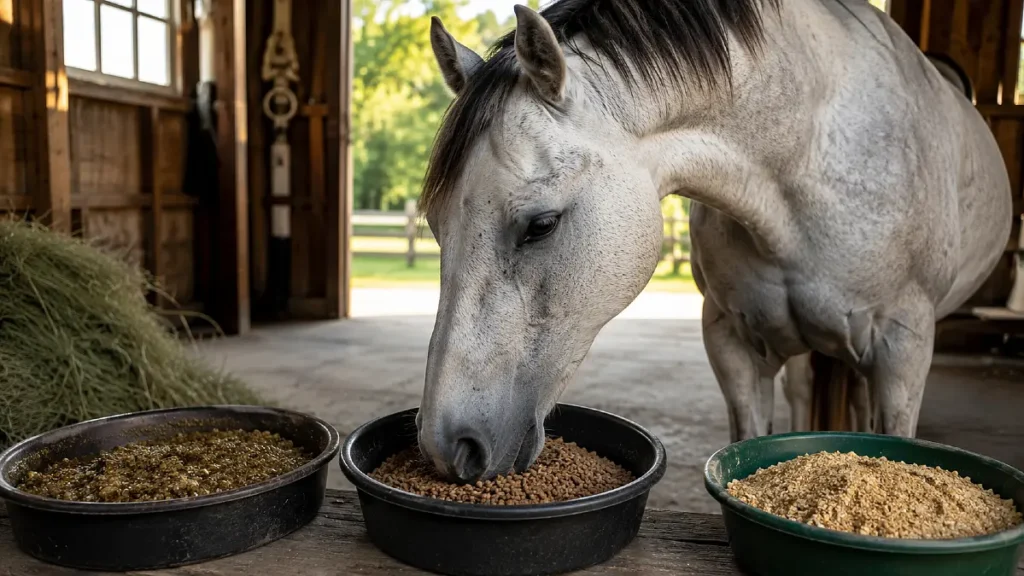
To help your horse gain or keep weight, you need to focus on density. You want foods that pack more calories without needing as much chewing. High quality protein, like lysine, is vital for keeping muscle on their topline.
According to research from Platinum Performance, fat is an excellent calorie source. It gives energy without the “hot” feeling that some grains cause. Beet pulp and soy hulls are great options for older horses with poor teeth.
Calorie Boosters for Seniors
| Feed Type | Why it Works | How to Serve |
| Beet Pulp | High fiber, easy to digest | Soak in water at a 1 to 2 ratio |
| Rice Bran | High calorie, low starch | Mix into wet feed |
| Senior Pellets | Pre-chewed texture | Follow label instructions |
Action Item: If your horse has trouble chewing, soak their beet pulp until it is soft. This makes it safer and easier to eat.
How to Improve Mobility Through Nutrition
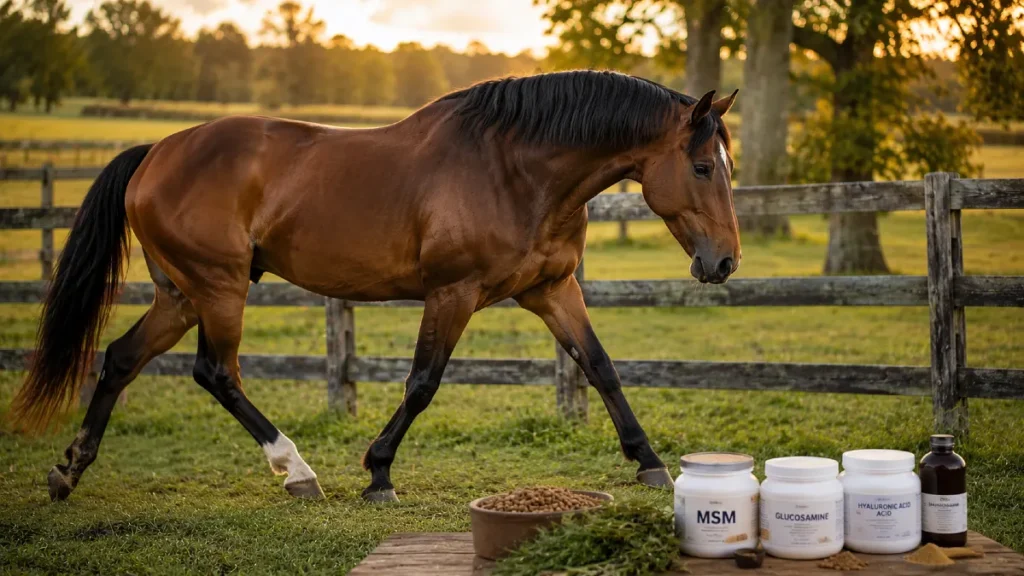
Weight management is the first line of defense for joints. Excess weight puts stress on their legs. If your horse is too heavy, the joints suffer. If they are too thin, they lack the muscle to support their frame. You need to hit a balance.
Spillers Feeds notes that keeping a healthy weight is vital for comfort. Beyond weight, you can use supplements to help with inflammation. Ingredients like MSM, Glucosamine, and Hyaluronic Acid are common choices.
Always talk to your vet before starting a new supplement. They can tell you what your horse actually needs.
Action Item: Start a simple log. Note your horse’s weight and how they move each week. This helps you see if the diet changes are working.
Practical Tips for a Happier Senior Horse
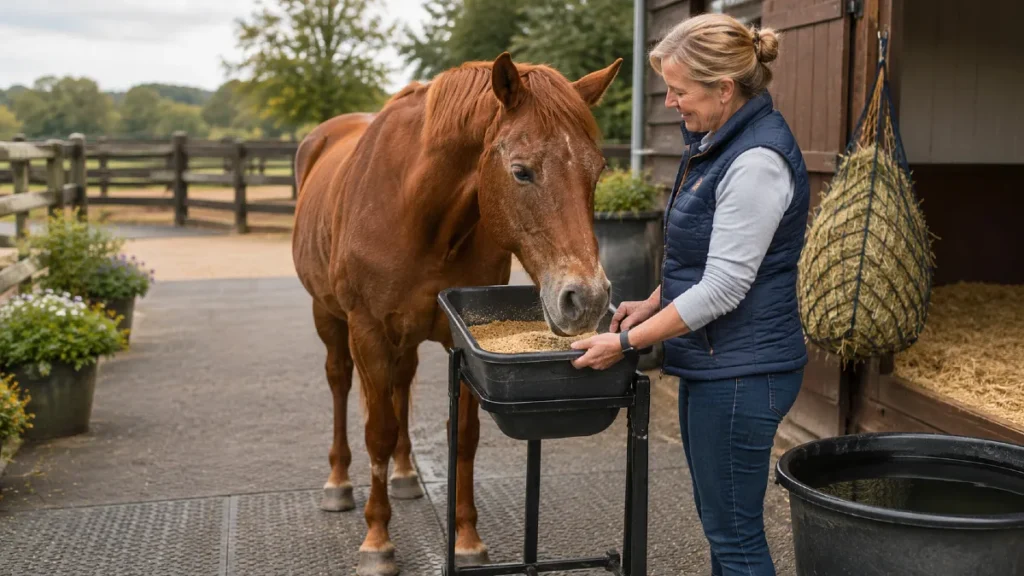
Beyond the bucket, your management style matters. Small changes can make a big difference in their daily comfort. As noted by Iowa State University Extension and Outreach, feeding small meals 3 or more times a day keeps their blood sugar steady.
You should also look at the environment. If your horse has a sore back or neck, eating off the ground can be hard. Using a raised feeder can reduce strain.
Simple Management Changes
- Soak Everything: Create a soup with their feed. This adds water and makes digestion easier.
- Use Slow Feeders: These help keep them occupied and reduce stress.
- Check Teeth: Have a vet or dentist look at their mouth twice a year.
- Add Gear: Use raised feeders to prevent neck strain while eating.
The British Horse Society suggests that you work with a professional nutritionist. They can look at your specific horse and create a plan that works.
Why Proper Hydration Matters for Your Senior Horse
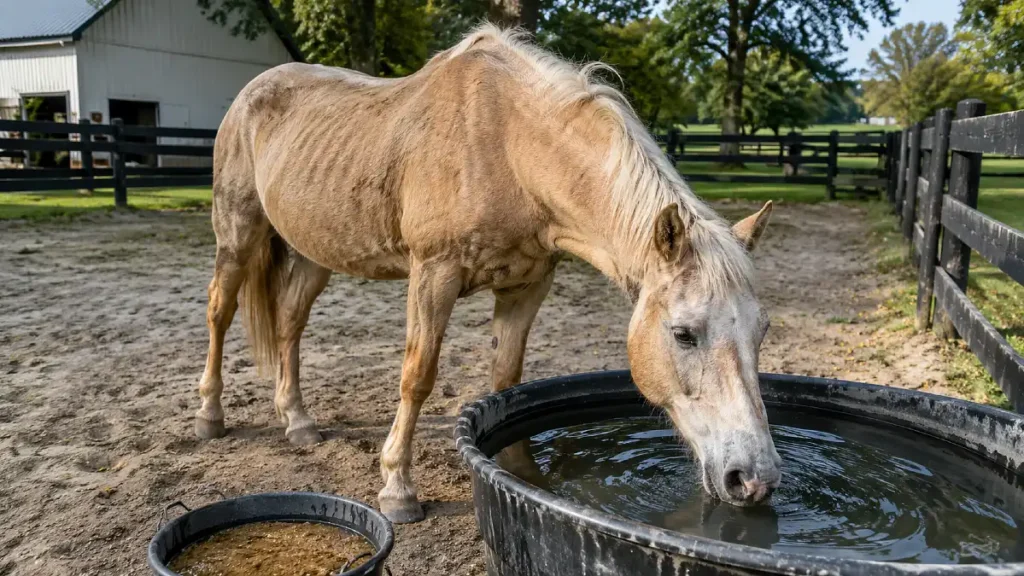
Water is the most important nutrient for your horse. Digestion slows down as horses age. If they do not drink enough water, the fiber in their gut can become impacted. This leads to colic. Seniors often drink less for many reasons.
They might find it painful to walk to a water trough. They might have trouble bending their neck. They might simply forget to drink enough during cold weather.
You need to be proactive about their water intake. Do not wait for them to look thirsty.
Signs Your Horse Needs More Water
| Sign | What it Means | How to Fix |
| Dry, hard manure | Dehydration | Soak hay and grain |
| Tacky or dry gums | Low fluid levels | Add electrolytes |
| Less frequent drinking | Poor access or taste | Scrub and refill buckets |
How to Keep Them Drinking
- Add warm water to grain: This turns their meal into a mash and forces them to consume more fluid.
- Use electrolytes: Sometimes they need a reason to drink. A small amount of salt or a quality electrolyte supplement encourages them to sip more often.
- Check the trough: If the water is dirty or too cold, they will refuse it. Scrub buckets out at least twice a week.
- Monitor consumption: Keep an eye on how much they actually drink. If you notice a sudden drop, call your vet.