
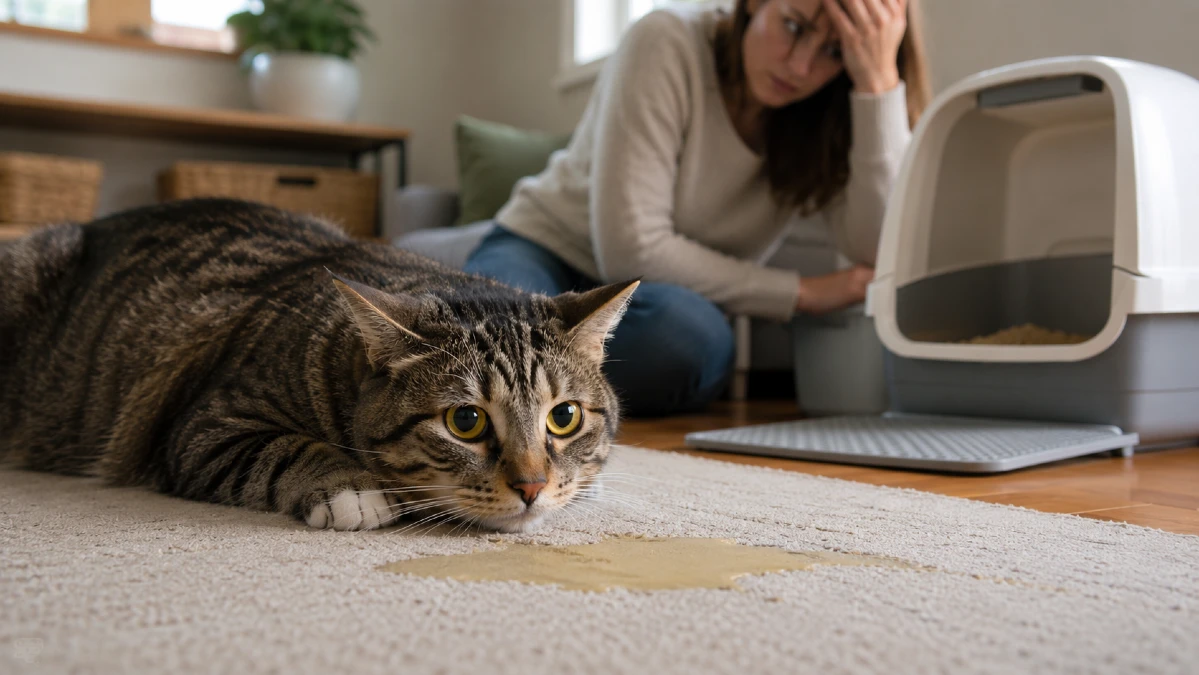
Finding a surprise puddle on your favorite rug is frustrating. You might feel angry or confused. Your home smells bad, and your floors are getting ruined. You worry this behavior will never stop, making you feel completely overwhelmed.
But your cat is not doing it to punish you. Feline inappropriate elimination has clear causes and easy fixes. You just need to figure out what is wrong.
Here is a veterinarian approved process to uncover the root cause. You will learn exactly what to do when your cat won’t use the litter box anymore. Let us fix this problem for good.
1. How to Rule Out Medical Issues First
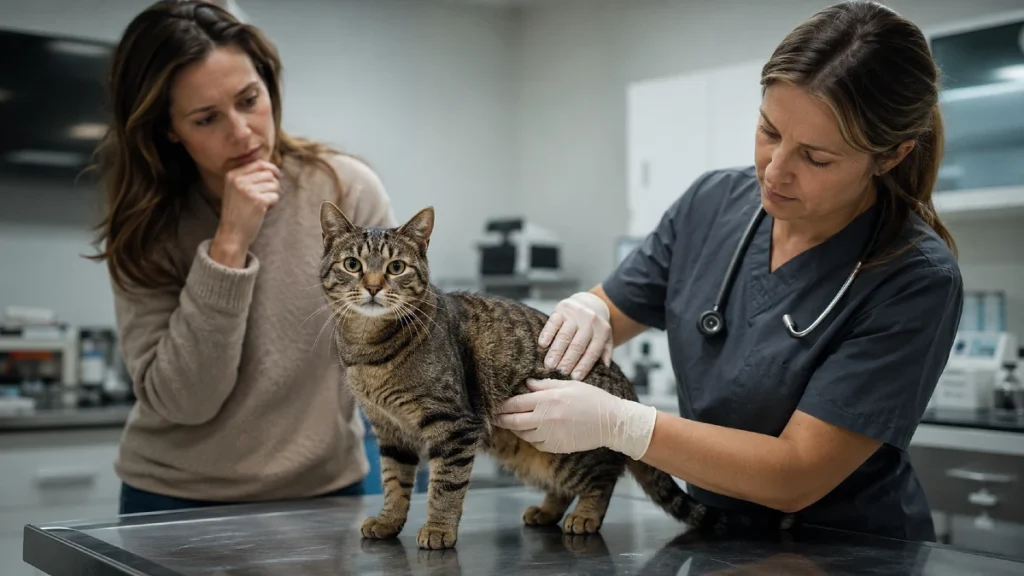
You cannot train away a medical issue. If your cat peeing outside litter box is a new habit, you must visit the vet first. Feline inappropriate elimination is the top behavioral complaint at VCA Animal Hospitals. But most of the time, the root cause is physical.
Medical conditions make urinating very painful. A common issue is a Urinary Tract Infection. According to the Cornell Feline Health Center, this inflammation leads cats to associate the litter box with pain.
They think the box itself hurts them. So they leave the box and find a soft rug instead. The rug feels different, so they hope it will not hurt.
Other common culprits include kidney disease, thyroid disease, and diabetes. These illnesses change how a cat processes water. They make your cat produce much more urine than normal.
Your cat simply cannot make it to the box in time. They lose control before they reach their destination.
Senior cats face another hidden problem. Older cats often develop joint pain and arthritis. This makes climbing into a box with high sides physically painful. Jumping in and out hurts their hips and knees. If your cat is elderly, swap to a low entry box immediately.
Please book a vet appointment before buying new behavioral products. You need to know your cat is healthy first. A clean bill of health gives you a clear path forward.
Medical Symptoms to Watch For
| Symptom | Possible Medical Reason | What You Should Do |
| Crying while peeing | Urinary Tract Infection | Call vet immediately |
| Drinking extra water | Diabetes or Kidney Disease | Book a blood test |
| Stiff walking | Arthritis | Get a low entry box |
2. Why You Must Follow the Plus One Litter Box Rule
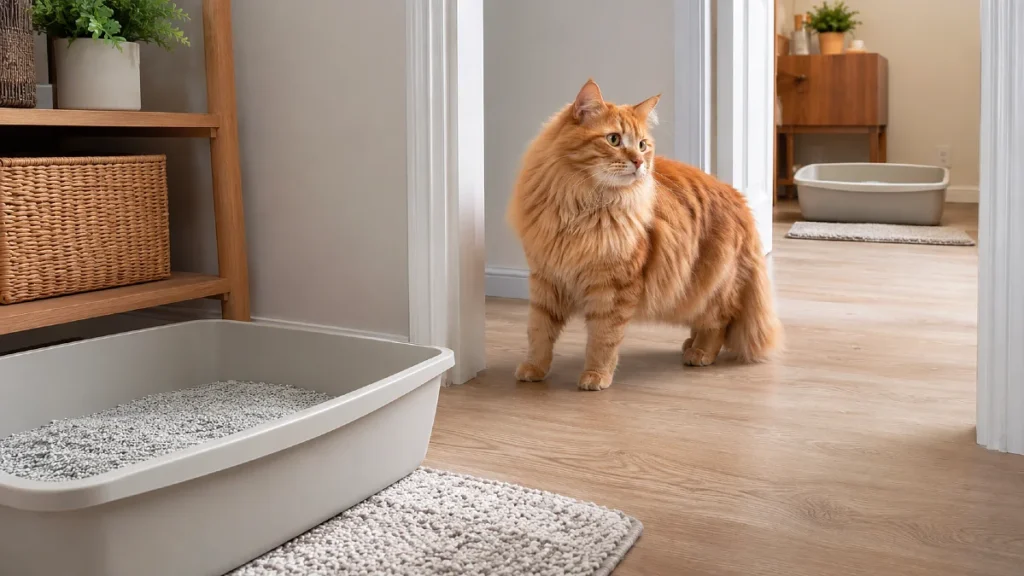
How many cats do you have in your house? Now, how many litter boxes do you have? If the numbers are the exact same, you have a major problem.
The golden rule of cat behavior is one box per cat, plus one extra. Cat behaviorists like Jackson Galaxy constantly recommend this Plus One rule. If you have two cats, you need three boxes. If you have three cats, you need four boxes.
Cats are highly territorial animals. They refuse to share their bathroom space happily. A shared box creates intense multi cat household conflict.
One dominant cat might block the hallway to keep the other cat away from the box. The weaker cat gets scared and finds a hidden corner to pee. This causes major litter box aversion.
You must place these boxes in totally different rooms. Lining them up right next to each other does not count. To a cat, three boxes next to each other just look like one giant box. Spread them out to give your cats safe and private options.
Buy one more box today. Put it in a completely new room.
3. How to Re Evaluate Your Litter Box Setup
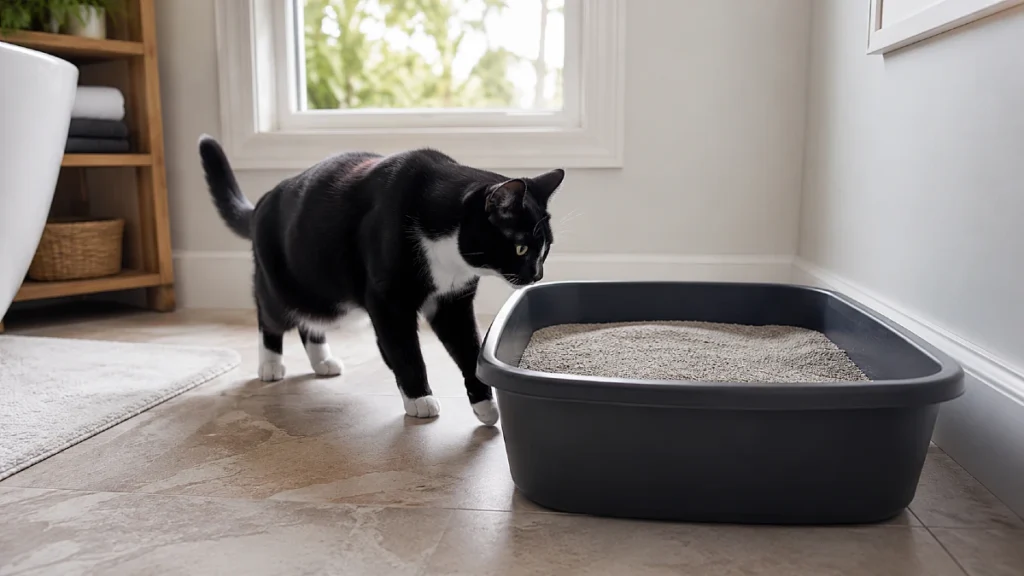
Look at your litter box setup from your cat’s point of view. You might realize the current setup works well for you but fails your cat completely.
First, check the litter depth. Cats prefer one to two inches of litter. If the litter is too deep, it feels unstable under their paws. They feel like they are sinking.
Next, check the litter type. Studies show cats prefer unscented clumping clay litter. Scented litter is made entirely for humans. Strong perfumes overwhelm a cat’s highly sensitive nose.
If your cat hates the smell, try an unscented brand like Dr Elsey Cat Attract. You can also try at home urinary health monitoring litters to check their pH levels.
Finally, look at the box itself. Covered boxes trap awful odors inside. They also make cats feel cornered and unsafe.
A cat who was ambushed by a dog while exiting a hooded box will develop a lasting location aversion. Switch to a large uncovered box immediately so they can see all around them.
Never place the box near a noisy washing machine or close to their food bowl. This is a massive trigger for litter box aversion.
Human Preference vs Cat Preference
| Setup Feature | What Humans Want | What Cats Actually Need |
| Litter Scent | Heavy perfume to hide odors | Unscented clumping clay |
| Box Style | Covered or hidden | Large and fully uncovered |
| Box Location | Tucked away in a dark laundry room | Quiet area away from food |
4. 3 Ways to Identify and Eliminate Household Stress
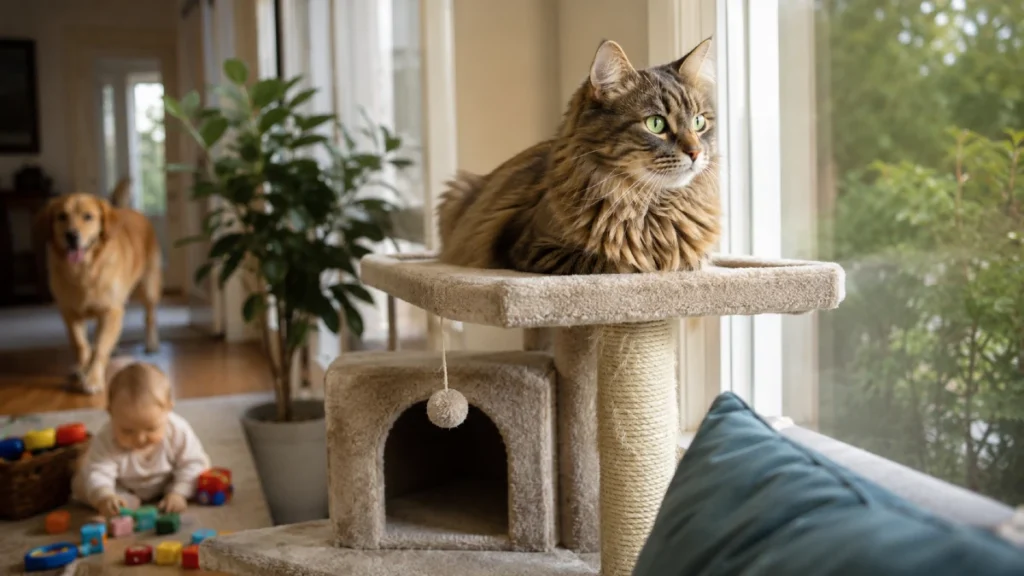
Cats are creatures of extreme habit. They need total predictability to feel safe in their home. When you change their environment, they internalize that stress quickly.
The ASPCA notes that even minor routine changes can trigger anxiety based house soiling. Did you get a new puppy? Did you have a baby recently? Did you move the living room furniture around? Did your work schedule change? Any of these events will create a highly stressed cat.
Sometimes the threat lives outside. Outdoor neighborhood cats looking through your windows make your indoor cat feel deeply threatened. Your cat peeing outside litter box might just be them marking their territory out of fear.
You can artificially lower the baseline anxiety in your home. Plug in Feliway Multicat pheromone diffusers in the rooms your cat uses most. These release calming scents that humans cannot smell. You should also build high perches so your cat can watch the room safely from above.
5. How to Clean Previous Accidents the Right Way
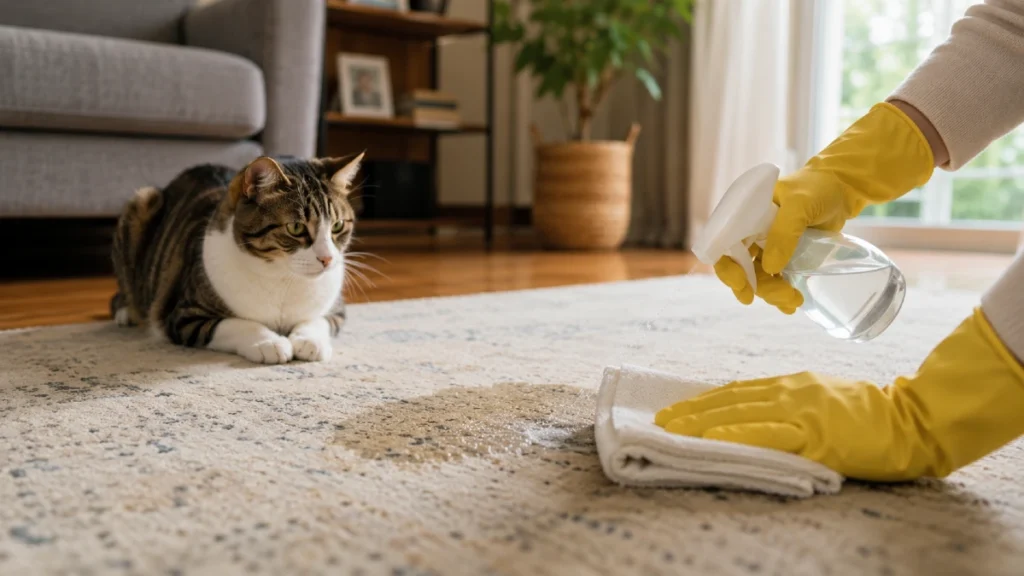
A cat’s nose is incredibly sensitive. If a corner of your living room still smells like urine, your cat believes it is a bathroom. They will return to that spot again and again.
Never use bleach or ammonia based cleaners. Ammonia mimics the exact smell of cat urine. If you clean an accident with ammonia, you are actually encouraging repeat offenses. Your cat thinks another animal peed there.
You must use enzymatic cleaners. Standard household soap cannot break down the uric acid crystals left behind by feline inappropriate elimination.
Soap just washes away the top layer. Enzymatic sprays like Nature Miracle or Anti Icky Poo eat those hidden crystals and destroy the smell forever.
Here is the best way to clean cat urine.
Buy a cheap UV blacklight to find hidden spots in the dark. Spray the enzymatic cleaner heavily over the glowing spots. Let it air dry completely so the enzymes have time to work.
Cleaning Cat Urine Guide
| Cleaner Type | Result on Cat Urine | Should You Use It? |
| Bleach or Ammonia | Makes the smell worse | No |
| Standard Dish Soap | Hides smell temporarily | No |
| Enzymatic Cleaner | Destroys uric acid completely | Yes |
Conclusion
Fixing this issue requires a clear order of operations. First, get a vet check to rule out physical pain. Second, do the box math and buy enough boxes.
Third, upgrade to an uncovered setup with unscented litter. Fourth, reduce household stress with pheromones. Finally, do a deep clean with enzymatic sprays.