
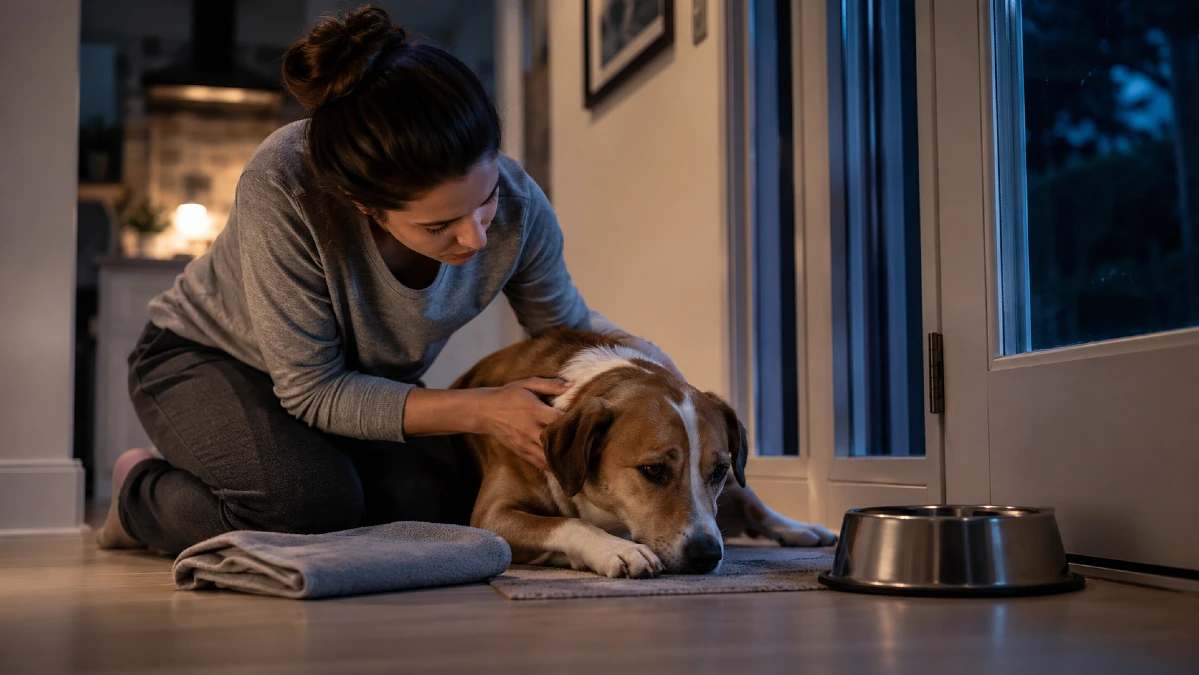
It is 2 AM. You hear that frantic scratching at the door. Your dog has diarrhea again.
Your mind races. Is this from a stolen table scrap? Or is it a sign of a real emergency? You worry about vet bills. You hate seeing your best friend sick. And cleaning up the mess is stressful.
Take a deep breath. This guide shows you exactly what to do when your dog has diarrhea. You will learn when to worry about dog diarrhea and how to spot danger signs.
Plus, you will discover safe home remedies for dog diarrhea that actually work. Let’s get your dog feeling better fast.
The Dog Diarrhea Triage: When to Worry
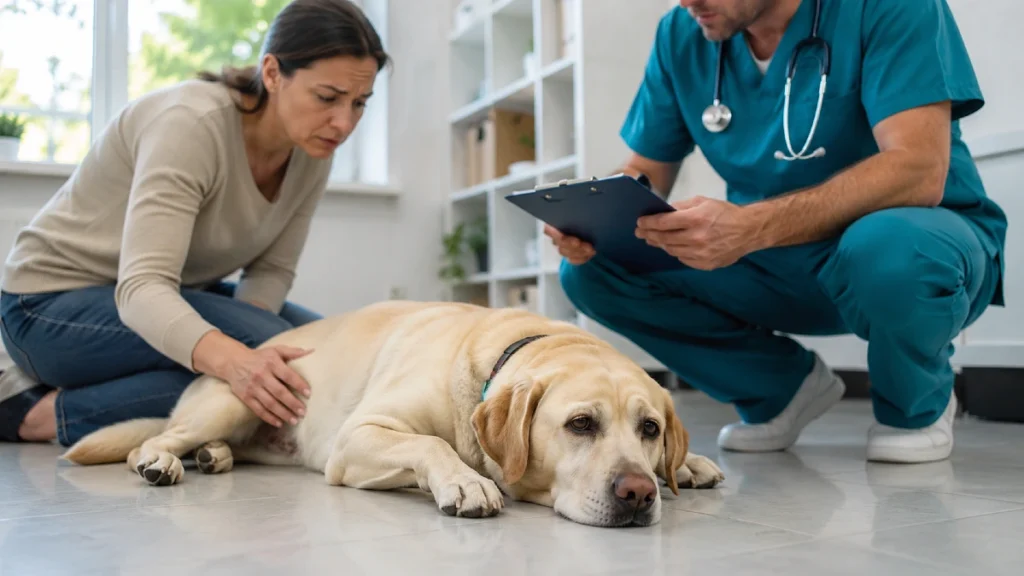
Not all diarrhea is created equal. To know whether to head to the ER or stay home, you must read your dog’s systemic signs.
Before trying any home treatment, verify your dog’s safety profile using this simple checklist:
| Green Light | Red Light |
| Dog is bright, playful, and alert | Dog is lethargic, weak, or unresponsive |
| Diarrhea is watery but clear of dark blood | Stool is black, tarry, or full of red blood |
| No vomiting and can keep water down | Vomiting or refusing to drink water |
| Symptoms have lasted under 48 hours | Diarrhea persists past 48 to 72 hours |
| Dog is an adult with no chronic illnesses | Patient is a young puppy or fragile senior dog |
Most healthy adult dogs can handle a mild stomach upset. If your dog acts completely normal and still wants to play, you can usually watch them for 48 hours. But there is a catch.
You must look closely at their stool. Bright red blood often means lower gut irritation. This looks scary but is usually less severe. Black or tarry stool is called melena. This points to internal bleeding in the upper stomach. You must treat melena as a strict emergency.
Age also changes the rules. Young puppies and senior dogs lack strong immune systems. They cannot wait out a stomach bug. Dehydration hits them much faster.
According to the Cornell Riney Canine Health Center, dehydration is the biggest risk with acute diarrhea.
When a dog loses fluids from both ends through vomiting and diarrhea, their body systems crash quickly. Never wait to see a vet if your dog refuses water or cannot keep it down.
What to Do When Your Dog Has Diarrhea: Step by Step Home Care
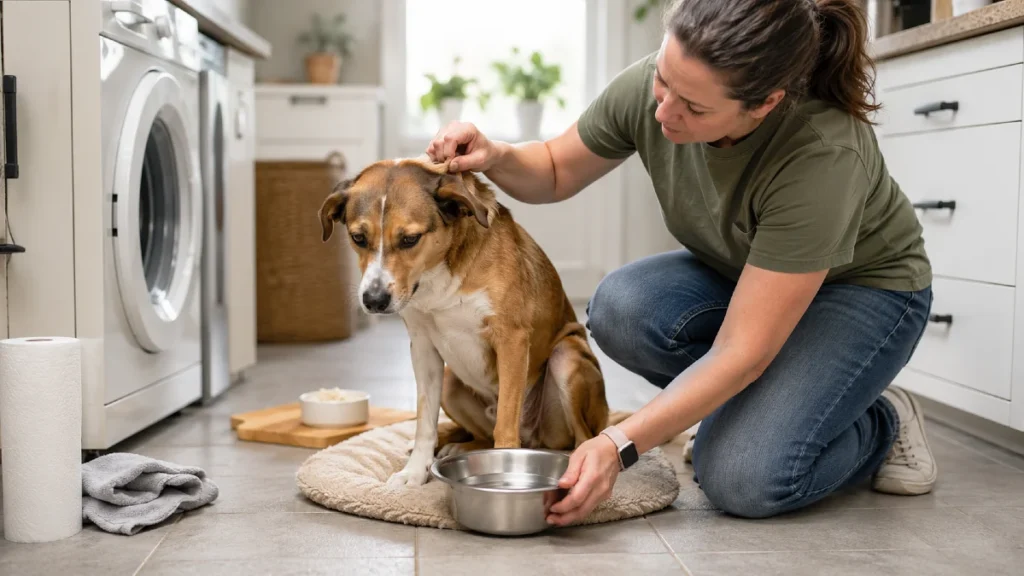
If your dog passed the safety check above, meaning they are bright, alert, and hydrated, it is time to execute a home care plan.
Acute diarrhea is one of the top three reasons dogs visit primary care vets. But you can manage most mild cases in your own kitchen. Follow these simple steps to give their digestive tract time to heal.
Protocol for Dog Diarrhea
Initiate Brief Gut Rest
Reveal Protocol ⟡Check for Dehydration
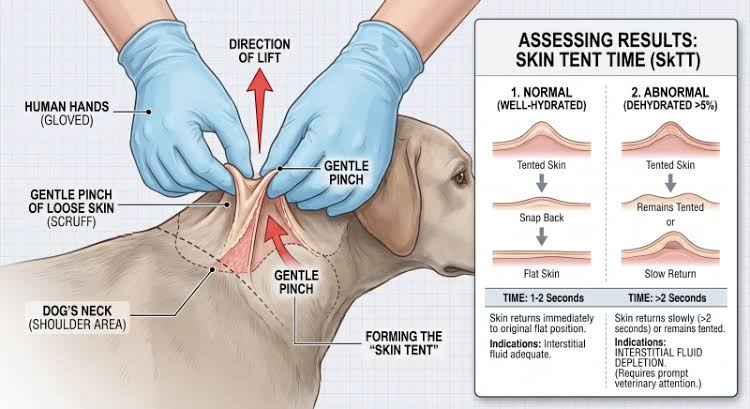
Reveal Protocol ⟡Gently pinch the skin between your dog’s shoulder blades. This is called the scruff. If the skin snaps back instantly, they are well hydrated. If the skin stays up in a tent shape, they are losing fluids fast. Dry or tacky gums also signal danger. If you see these signs, they need a vet for fluid support right away.
Avoid Antibiotic Autofills
Reveal Protocol ⟡Do not use leftover medications. Do not demand antibiotics like metronidazole from your vet. Current 2026 WSAVA and AAHA guidelines confirm a major shift in veterinary care. Antibiotics do not fix simple diarrhea faster. In fact, they destroy the healthy native gut flora. This damage delays healing for months.
Here is why this matters. Veterinary experts now push for strong antibiotic safety. This means using drugs only when truly needed. In the past, vets prescribed antibiotics for simple loose stools far too often.
Data shows that most acute canine diarrhea cases resolve perfectly with simple supportive care. Fasting and hydration work better than harsh drugs.
How to Prepare a Safe Bland Diet for Dogs
Throwing random table scraps or raw meat at an inflamed gut will backfire.
Once the resting period ends, do not return directly to kibble. You need to prepare a pure and highly digestible meal. This helps soothe their stomach.
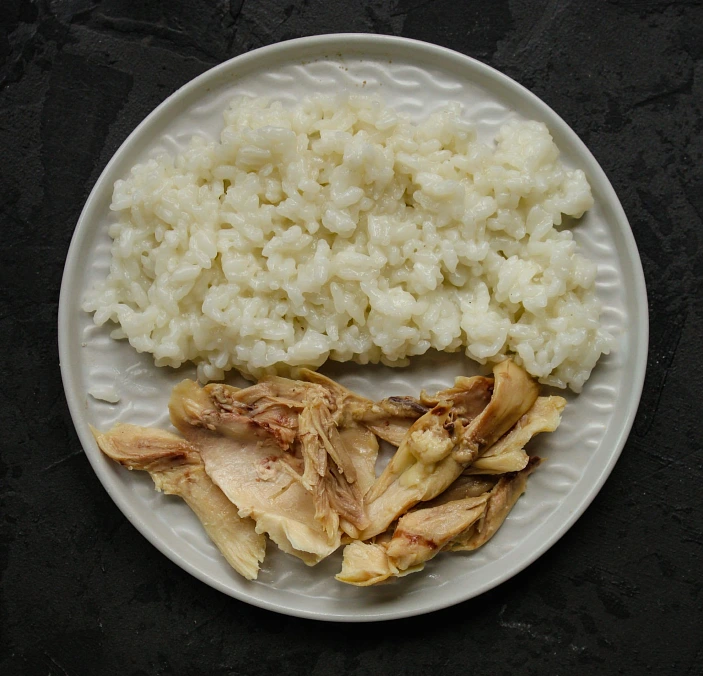
Here is the exact formula you need:
| Ingredient Type | Standard Option | Allergy Friendly Option |
| Carbohydrate (75 percent) | Boiled white rice | Plain canned pumpkin or boiled potatoes |
| Lean Protein (25 percent) | Boiled skinless chicken breast | Drained lean ground turkey |
Follow these simple rules for success.
- Mix the Right Ratio: Use 3 parts carbohydrates to 1 part lean protein. Make sure you drain off all fat and oils. Do not use any seasonings, salt, or onions.
- Use Alternative Carbs if Needed: Some dogs have grain allergies. If your dog cannot eat rice, swap it out. Use plain, 100 percent canned pumpkin puree. Make sure it is not sweet pumpkin pie filling.
- Control the Portions: Do not serve standard large morning and evening portions. Large meals stretch the stomach and trigger more diarrhea. Split their daily food into 4 to 6 micro meals. Space these out evenly across the entire day. Feed roughly 2 tablespoons of the mixture per 10 pounds of body weight each time.
Research notes that a bland diet for dogs is essential for short term recovery. It slows down gut motility and stops the messy bowel movements. But remember this rule. It lacks complete long term nutrition. You should never feed a bland diet for more than 5 to 7 days.
How to Rebalance the Gut: Prebiotics and Probiotics
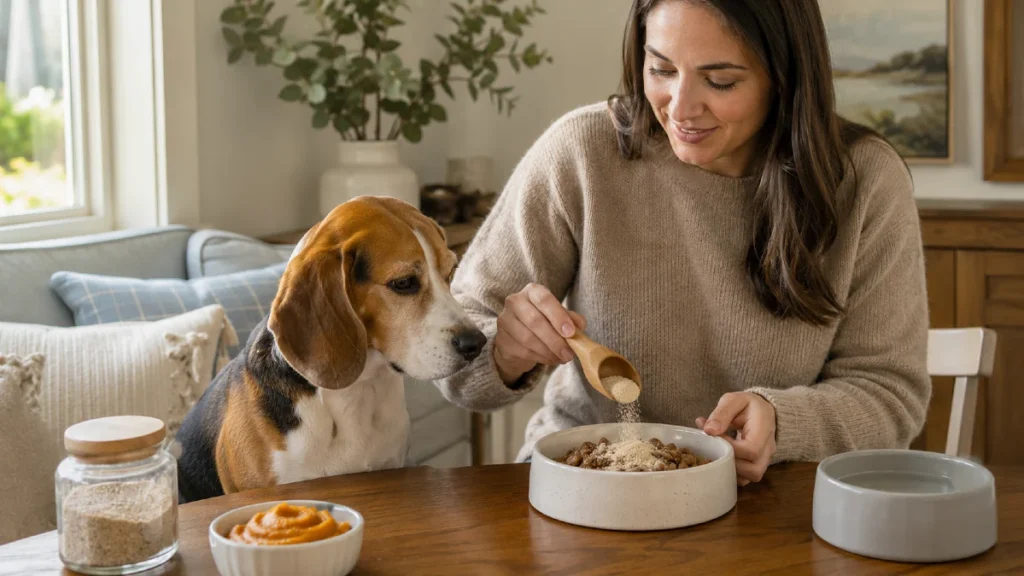
Here is the truth. Many people think a dollop of human grocery store yogurt fixes dog gut imbalance. This is a myth.
Human probiotics do not work well for dogs. Dogs need specific bacteria strains to heal their unique digestive tracts. Most supermarket yogurts just add extra dairy sugar to an already upset stomach. This makes the diarrhea much worse.
Instead, look for dog specific solutions.
| Supplement Type | Good for Dogs | Bad for Dogs |
| Probiotics | Saccharomyces boulardii | Sugary human grocery store yogurt |
| Soluble Fiber | Plain psyllium husk or inulin | Artificial fiber supplements |
The most powerful option is a probiotic yeast called Saccharomyces boulardii. This resilient yeast survives strong stomach acid. It travels straight into the intestines to fight inflammation. It helps flush out bad bacteria safely.
You also need soluble fiber to fix the stool texture. Fiber acts like a sponge inside the gut. It soaks up excess water from the watery diarrhea. This helps form firm and solid poops.
Plain psyllium husk or inulin are great sources of soluble fiber. Add a small pinch to their bland diet to speed up the healing process.
Using the right home remedies for dog diarrhea restores their healthy gut bacteria. This prevents the diarrhea from coming back a week later.
How to Transition Back to Regular Food Safely
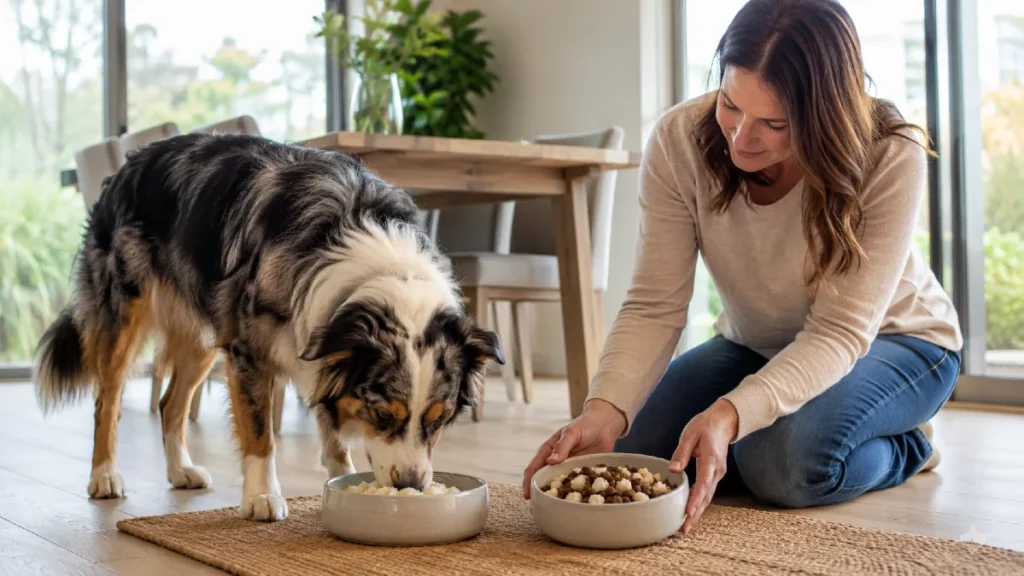
The first solid poop is a huge victory. But do not celebrate by dumping a full bowl of heavy kibble into their dish.
Switching back to rich food too quickly causes a massive digestive relapse. You must wait for the Solid Poop rule. Wait until your dog produces normal, firm stools for 24 to 48 consecutive hours. Only then can you start the switch.
Use this 4 day timeline to transition their food safely:
- Day 1 The Initial Mix: Feed a bowl containing 75 percent of the prepared homemade bland diet mixed with 25 percent of their normal kibble.
- Day 2 Equal Balance: If the stools remain firm, shift the ratio to a 50/50 split of bland food and regular dog food.
- Day 3 Standard Priming: Drop the bland food components down to 25 percent and fill the remaining 75 percent of the bowl with regular kibble.
- Day 4 Full Return: Your dog is now safely back to 100 percent of their regular dietary routine. You may gradually reintroduce standard treats over the next few days.
This slow process protects their newly healed stomach lining. It keeps their digestive tract calm and stable.
Conclusion
Acute diarrhea is incredibly common. But with careful watching, you can manage minor cases smoothly. A brief period of gut rest and a clean bland diet for dogs usually solves the problem fast.